When Touch Becomes Therapy
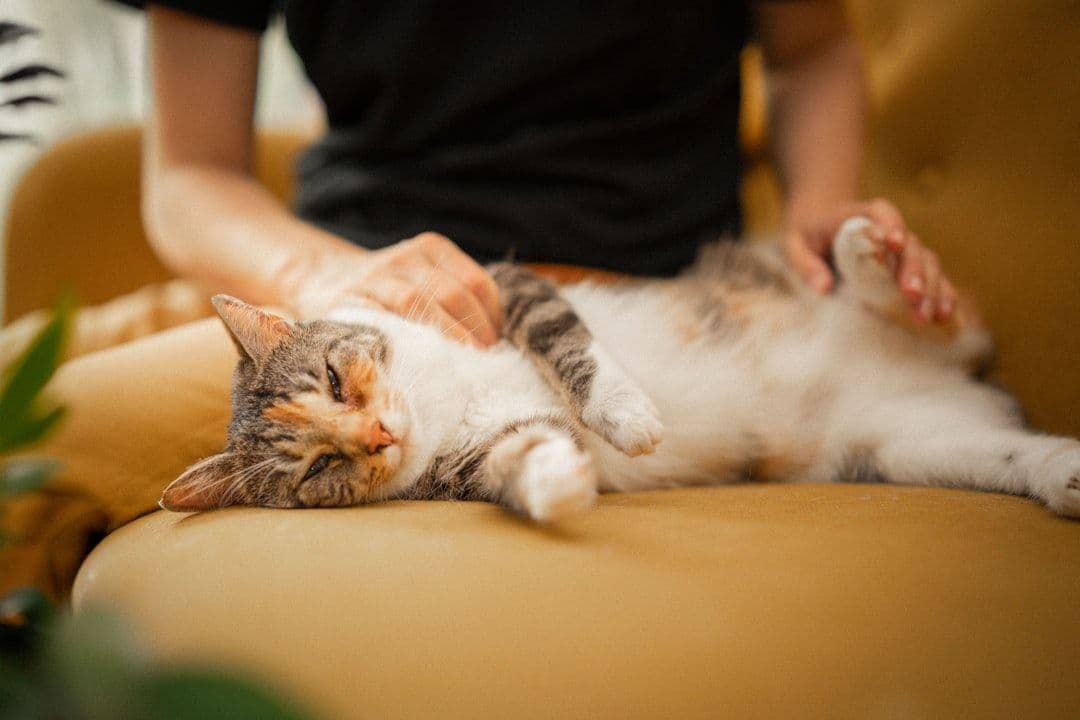
Watch a skilled animal massage practitioner work with a nervous racehorse, and you'll see something remarkable unfold. The animal's ears, initially pinned back in anxiety, gradually relax. Tense muscles along the neck and shoulders begin to soften under careful pressure. What starts as cautious tolerance often transforms into obvious enjoyment—some horses lean into the touch, dogs roll over to expose their bellies, and even typically skittish cats purr through entire sessions.
Animal massage applies the fundamental principles of therapeutic touch to non-human anatomy. Practitioners use their hands to manipulate soft tissues, applying pressure, kneading movements, and gentle stretching to muscles, tendons, and fascia. Unlike the vigorous rubdowns pet owners might give their animals, professional animal massage follows structured techniques designed to influence circulation, reduce muscular tension, and promote relaxation through the nervous system.
From Stable to Surgery Suite
The roots of animal massage stretch back to ancient civilisations where horse handlers recognised that touch could calm and heal their valuable animals. Chinese texts from over 2,000 years ago describe massage techniques for horses used in warfare and agriculture. European cavalry traditions similarly incorporated basic massage into horse care routines.
Modern animal massage emerged in the late 20th century as practitioners began adapting human massage therapy techniques for veterinary settings. The discipline gained momentum particularly around equine sports medicine, where trainers sought non-pharmaceutical approaches to support performance horses. Today, qualified animal massage practitioners work alongside veterinarians in rehabilitation centres, with pet behaviourists addressing anxiety-related issues, and in agricultural settings where stress reduction can impact animal welfare and productivity.
How Therapeutic Touch Translates Across Species
Animal massage operates through many of the same physiological mechanisms that make human massage effective, albeit adapted for different anatomical structures and nervous systems. The mechanical pressure and movement stimulate blood flow through superficial tissues, potentially improving nutrient delivery and waste removal at the cellular level.
The techniques also appear to influence the autonomic nervous system. When practitioners apply slow, rhythmic pressure, animals often display signs associated with parasympathetic activation—the "rest and digest" response. Heart rates may slow, breathing deepens, and stress-related behaviours diminish. This neurological shift can be particularly valuable for animals in chronic pain or those experiencing environmental stressors.
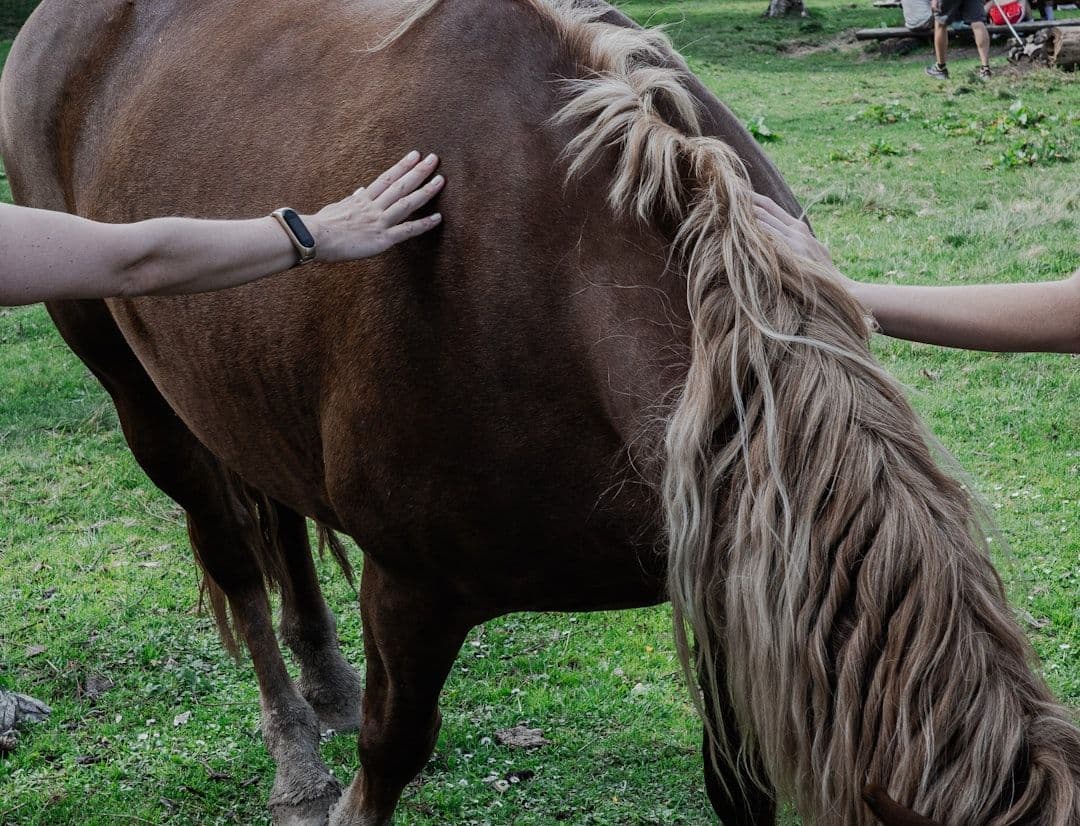
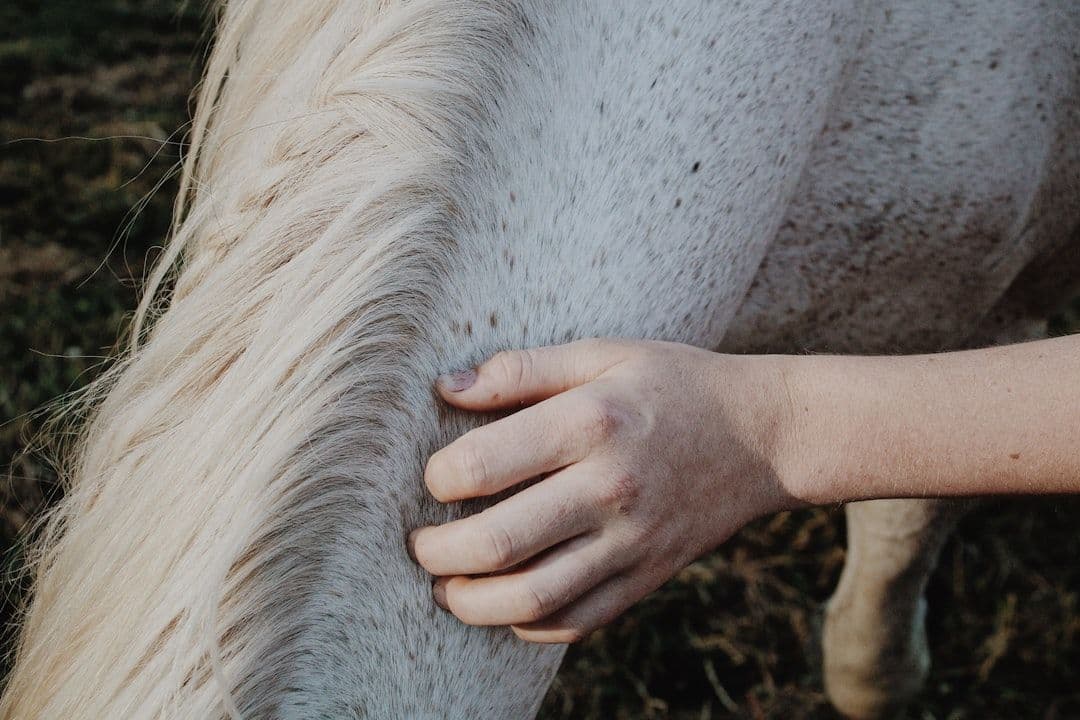
Practitioners adapt their approach based on species-specific anatomy and behaviour patterns. Equine massage focuses heavily on the large muscle groups of the back, hindquarters, and neck where horses carry tension from riding or driving work. Canine sessions might emphasise the shoulders and hips where arthritis commonly develops. Feline massage requires particular sensitivity to areas cats naturally protect, working gradually to build trust before addressing deeper muscular issues.
Who Seeks Animal Massage
Performance animals represent a significant portion of animal massage clients. Racehorses, show jumpers, agility dogs, and working livestock can develop muscular imbalances and tension patterns from repetitive movement demands. Owners often integrate massage into conditioning programmes or recovery protocols, particularly when animals show subtle signs of discomfort that haven't yet developed into clinical lameness or injury.
Elderly pets form another key group. As cats and dogs age, arthritis and general stiffness can limit mobility and quality of life. Whilst massage cannot reverse degenerative joint disease, many owners report that regular sessions help their animals move more comfortably and maintain better temperaments. Some veterinary practices now offer animal massage as part of comprehensive geriatric care programmes.
Animals with anxiety or behavioural issues may also benefit from the calming effects of therapeutic touch. Rescue animals with trauma histories, pets adjusting to new environments, or animals experiencing separation anxiety sometimes respond positively to the structured, nurturing interaction that massage provides.
What to Expect During a Session
Animal massage sessions typically begin with a period of introduction, allowing the animal to become comfortable with the practitioner's presence and touch. This acclimatisation phase can take anywhere from a few minutes for a confident dog to twenty minutes or more for a nervous cat or horse.
The actual massage usually lasts 30 to 60 minutes, depending on the animal's size and tolerance. Practitioners start with gentle, broad strokes to warm the tissues before progressing to more specific techniques. They continuously monitor the animal's body language and stress signals, adjusting pressure and technique accordingly. Some animals fall asleep during sessions; others remain alert but relaxed.
Most practitioners recommend starting with weekly sessions for animals with specific issues, then spacing treatments further apart as conditions improve. Maintenance sessions might occur monthly or seasonally, particularly for working animals or those with chronic conditions. The environment plays a crucial role—sessions usually occur in familiar settings where animals feel secure, whether that's their home stable, a quiet room in a veterinary clinic, or even the animal's own living space.
The Developing Evidence Base
Research on animal massage effectiveness remains in relatively early stages, with most published studies focusing on horses and dogs. A 2018 pilot study of massage therapy in racing greyhounds found improvements in stride length and reduced indicators of muscle soreness following sessions. Small-scale research with therapy dogs suggests that massage may lower cortisol levels and reduce stress-related behaviours.
Equine studies have examined massage effects on performance metrics and recovery times, with some promising results for circulation improvement and range of motion. However, most existing research involves small sample sizes and lacks the rigorous control groups needed to establish definitive clinical protocols.
The challenge of studying animal massage lies partly in measurement difficulties—animals cannot report subjective experiences like pain relief or relaxation levels. Researchers must rely on behavioural observations, physiological markers, and performance metrics, which can be influenced by numerous variables beyond the massage intervention itself.
Finding Qualified Practitioners
Professional animal massage training programmes typically require completion of coursework in animal anatomy, physiology, and behaviour alongside hands-on technique instruction. In the UK, organisations such as the National Board of Certification for Animal Acupressure and Massage (NBCAAM) and the International Association of Animal Massage and Movement Practitioners provide certification pathways.
Expect to pay £40-80 for small animal sessions and £60-120 for equine massage, with costs varying by geographic location and practitioner experience. Many practitioners offer package deals for multiple sessions or maintenance programmes.
When selecting a practitioner, enquire about their training background, certification status, and experience with your specific type of animal. Ask whether they work in collaboration with veterinarians and if they carry professional liability insurance. Reputable practitioners will happily provide references and discuss their approach to safety and animal welfare. They should also be clear about the limitations of their practice and when veterinary evaluation is necessary.