Before Your Appointment
Your animal should be clean and comfortable, though a full bath isn't necessary unless specifically requested. Ensure your pet has had a light meal at least an hour beforehand—neither hungry nor overly full. Bring any recent veterinary records, especially if massage relates to injury recovery or ongoing health management.
Create a calm environment by avoiding stressful activities on the day of treatment. For cats, consider bringing a familiar blanket or toy. Dogs benefit from a gentle walk beforehand to settle energy levels without causing fatigue.
Inform the practitioner about your animal's temperament, any sensitive areas, current medications, and recent health changes. This initial conversation shapes how they approach your pet and adjust techniques accordingly.
The Assessment and Introduction
The session begins with the practitioner observing your animal's posture, gait, and general demeanour. They'll spend several minutes allowing your pet to become accustomed to their presence—this might involve sitting quietly nearby or offering gentle vocal reassurance.
The practitioner will then conduct a hands-on assessment, feeling for areas of tension, heat, or sensitivity along major muscle groups. You'll notice them working systematically, often starting with less sensitive areas to build trust. They're evaluating muscle tone, joint mobility, and your animal's responses to different types of touch.
This initial phase typically lasts 5-10 minutes but may extend longer for anxious animals. The practitioner will explain what they're finding and discuss which areas would benefit most from focused attention.
Massage Techniques in Action
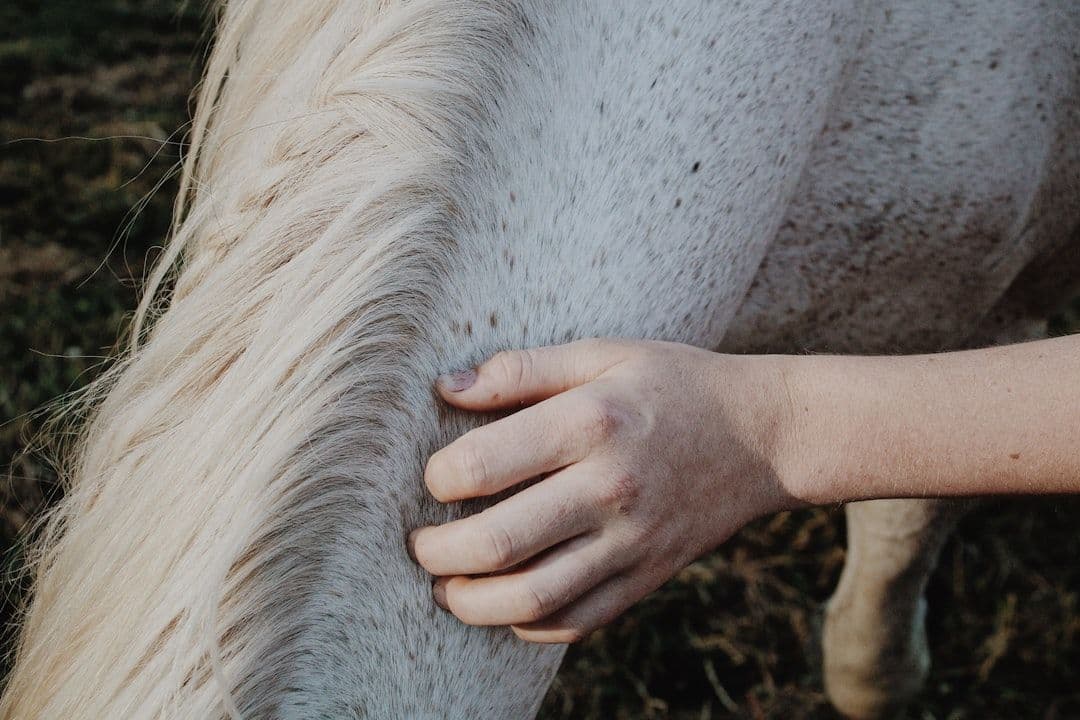
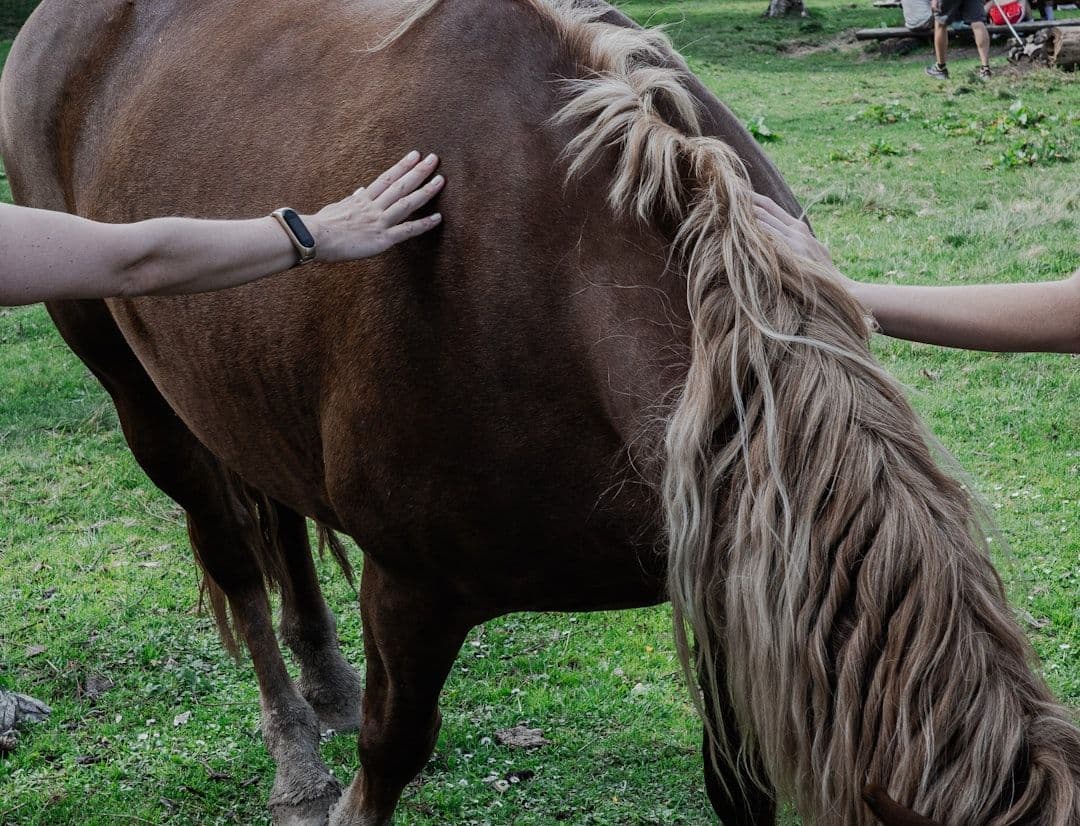
The actual massage begins with broad, gentle strokes designed to warm the tissues and encourage relaxation. You'll see the practitioner using their palms and fingertips to apply rhythmic pressure, typically starting with the neck and shoulders before progressing along the body.
Techniques vary based on your animal's needs and tolerance. Effleurage involves long, flowing strokes that follow muscle fibres. Petrissage uses kneading motions to address deeper tension. The practitioner may incorporate gentle stretching of limbs or targeted pressure on specific trigger points.
Most animals begin showing relaxation signs within 10-15 minutes: lowered head position, softer breathing, or even lying down. The practitioner continually monitors your pet's responses, adjusting pressure and technique accordingly. Some areas may receive only brief attention if your animal shows discomfort.
What Your Animal Might Experience
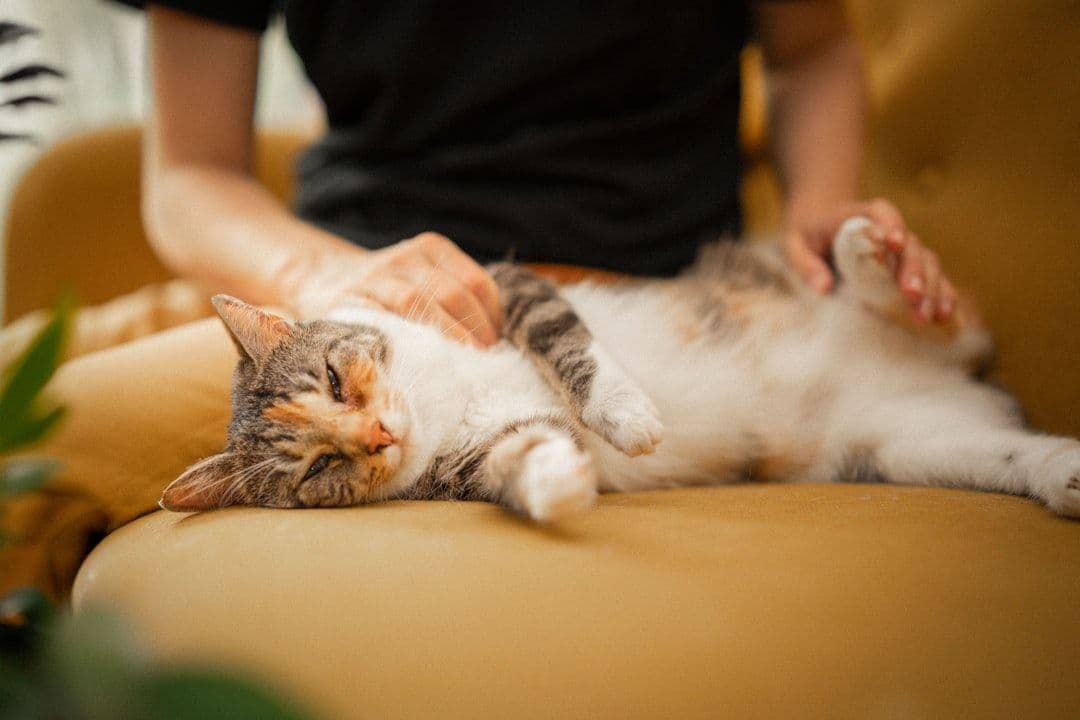
Many animals display visible relaxation during treatment—drooping eyelids, slower breathing, or muscle softening under the practitioner's hands. Some may shift position to facilitate access to different areas, whilst others remain still throughout.
Don't be surprised if your pet seems slightly drowsy immediately after treatment. This post-massage calm typically lasts several hours. Some animals show increased water consumption or deeper sleep patterns for 24-48 hours following treatment.
Occasionally, animals may seem slightly restless or more sensitive immediately after massage as circulation increases and tissues adjust. This usually resolves within a day. Limping or muscle soreness that persists beyond 48 hours warrants veterinary consultation.
Post-Session Care
Allow your animal to rest quietly for the remainder of the day following treatment. Avoid vigorous exercise, though gentle movement like short walks for dogs or normal indoor activity for cats is beneficial. Ensure fresh water is readily available as massage can stimulate circulation and lymphatic drainage.
Watch for positive changes in mobility, comfort levels, or behaviour over the following 2-3 days. Some animals show immediate improvement in movement, whilst others demonstrate gradual changes as muscle tension releases.
Schedule follow-up sessions based on your practitioner's recommendations and your animal's response. Acute issues might benefit from weekly treatments initially, whilst maintenance care often involves monthly sessions. Most practitioners suggest evaluating progress after 3-4 treatments to determine optimal frequency.
Building a Treatment Programme
A typical course involves 4-6 sessions spaced 1-2 weeks apart, allowing time to assess cumulative benefits. Animals with chronic conditions may require ongoing monthly maintenance, whilst those recovering from specific injuries might need more intensive initial treatment.
The practitioner will adjust session length and intensity as your animal becomes more comfortable with the process. First sessions often run shorter (15-30 minutes) to gauge tolerance, whilst subsequent treatments may extend to 45-60 minutes for larger animals.
Success isn't measured solely by dramatic changes but by subtle improvements in movement quality, comfort, and overall demeanour. Your practitioner will work with you to establish realistic expectations based on your animal's age, condition, and individual response patterns.