The Evidence Landscape
Breuss Massage occupies an unusual position in manual therapy research: it has passionate advocates and training programmes across Europe, yet appears to be entirely absent from the scientific literature. Searches of major medical databases reveal no published studies specifically examining this technique's effectiveness or mechanisms.
This absence of research is particularly striking given that Breuss Massage has been taught and practised for several decades since Rudolf Breuss developed it in Austria. Unlike many complementary therapies that have attracted at least some research attention, this gentle spinal technique seems to have developed entirely within practitioner communities without academic scrutiny.
The lack of published studies means we cannot compare Breuss Massage's effectiveness to other manual therapies, assess its claimed mechanisms, or establish safety profiles beyond practitioner reports.
What We Can Learn from Related Research
While specific Breuss Massage studies don't exist, we can examine research on its individual components. St John's Wort oil, the signature element, has been studied extensively for topical applications. Some research suggests hypericum preparations may have anti-inflammatory properties when applied to skin, though evidence for deep tissue penetration or disc nourishment is lacking.
Gentle spinal mobilisation techniques have mixed research support. A 2019 Cochrane review of manual therapies for low back pain found low-certainty evidence that some techniques provide small, short-term benefits. However, these studies examined different approaches with more forceful manipulation than the extremely gentle pressure used in Breuss Massage.
The concept of spinal traction — central to Breuss theory — has been researched more extensively. Systematic reviews generally show minimal evidence for traction's effectiveness in treating disc problems, though gentle approaches haven't been specifically studied.
Major Evidence Gaps and Limitations
The fundamental limitation is straightforward: we have no controlled studies to evaluate whether Breuss Massage works better than placebo, other treatments, or no treatment at all. This makes it impossible to assess the technique's core claims about disc regeneration, pain relief, or spinal health.
Even basic questions remain unanswered. We don't know optimal treatment frequency, whether the specific oil matters, or which patients might respond best. The proposed mechanism — that gentle traction creates space for discs to absorb oil and regenerate — lacks any supporting physiological evidence.
The absence of standardised protocols also complicates potential research. Practitioners may vary their approach significantly, making it difficult to design rigorous studies or replicate findings across different settings.
What the Evidence Currently Supports
Given the lack of clinical trials, we can only draw limited conclusions about Breuss Massage. The technique appears generally safe when practised by trained therapists, based on the absence of serious adverse event reports in practitioner literature.
Some people clearly find the experience beneficial — testimonials and case reports suggest improvements in pain, mobility, and wellbeing. However, we cannot separate these effects from placebo responses, natural recovery, or concurrent treatments without controlled studies.
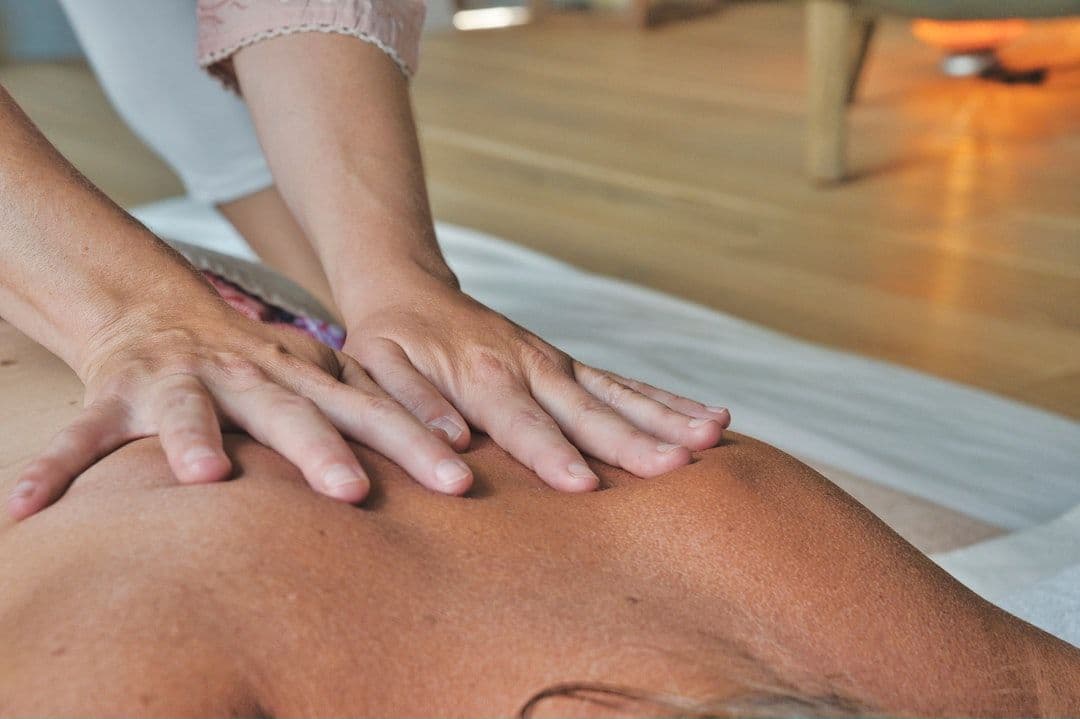
The gentle nature of the technique makes it potentially suitable for people who cannot tolerate more vigorous manual therapies. This may represent its most defensible clinical application: as a very gentle form of touch therapy for those seeking relaxation and mild physical intervention.
Future Research Priorities
Breuss Massage would benefit from basic feasibility studies before larger trials. Researchers need to establish standardised protocols, identify appropriate outcome measures, and determine whether practitioners can deliver consistent treatments.
A logical first step would be small pilot studies comparing Breuss Massage to gentle Swedish massage or sham treatments in people with chronic low back pain. Such studies could assess feasibility, safety, and provide preliminary effectiveness data.
Longer-term, researchers might investigate the technique's proposed mechanisms using imaging studies to examine whether the gentle traction actually affects disc spacing or oil penetration. However, given the current evidence vacuum, even basic descriptive studies would advance our understanding significantly.