The Quietest Touch on the Spine
Imagine lying face-down whilst someone traces the entire length of your spine with the edge of their hand, so slowly and gently that you barely feel the contact. Now imagine that same touch sustained for nearly an hour, using medicinal oil that seeps warmth into every vertebra. This is Breuss Massage — a therapy so subtle it feels more like meditation than manual treatment.
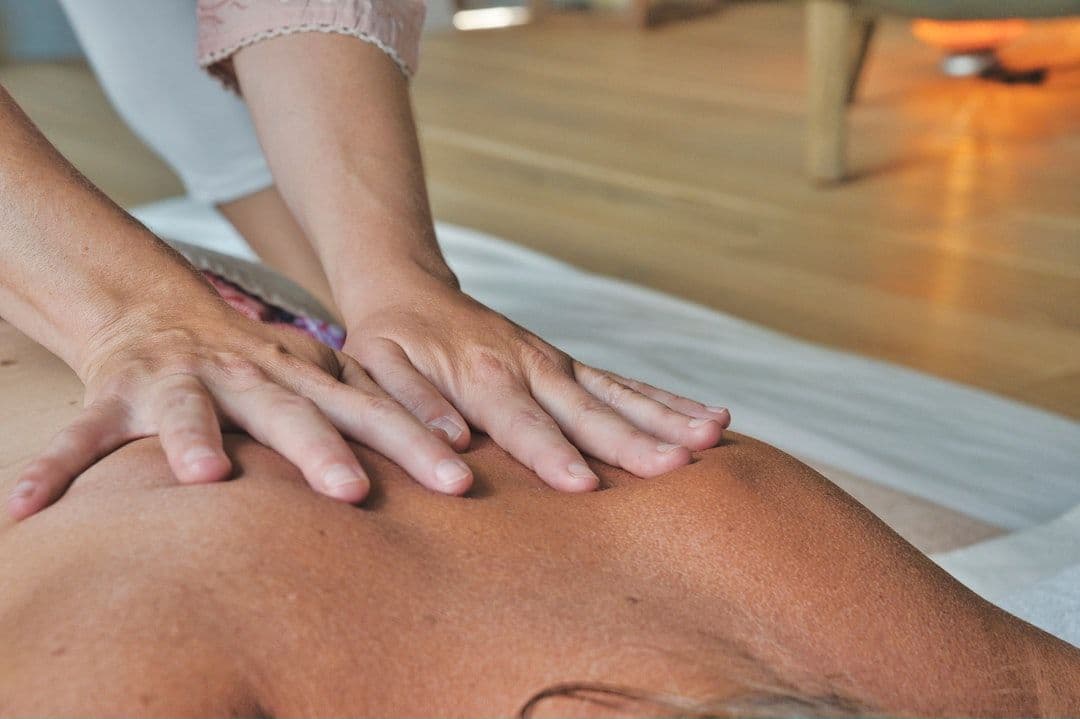
The hallmark of this Austrian technique is its profound gentleness. Where other spinal therapies might knead, manipulate, or apply pressure, Breuss Massage whispers. Practitioners use the edge of the hand, thumb, and fingertips to create flowing strokes along the entire spinal column, from tailbone to skull. The pace is deliberately slow — each stroke taking perhaps ten seconds to complete.
What makes this practice unique is not just the feather-light touch, but the specific use of St John's Wort oil (Hypericum perforatum) and the theory that drives the technique. Practitioners believe this combination of medicinal oil and sustained gentle traction can create microscopic spaces between vertebrae, allowing dehydrated spinal discs to absorb nutrients and potentially regenerate.
Rudolf Breuss and the Austrian Healing Tradition
Rudolf Breuss (1899-1990) was an Austrian naturopath who developed this technique in the mid-20th century, drawing from European folk healing traditions and his observations of spinal mechanics. Working in rural Austria, Breuss noticed that many of his patients with back problems seemed to respond better to extremely gentle approaches than to more forceful manipulations.
Breuss originally developed this massage as part of a broader healing system that included specific dietary protocols and the Dorn Method — a gentle spinal alignment technique created by his contemporary, German healer Dieter Dorn. The two methods are still commonly practised together, with Breuss Massage preparing the spine for the subtle joint corrections of the Dorn Method.
The practice reflects a distinctly Austrian approach to manual therapy — one that emphasises patience, gentleness, and working with the body's natural healing capacity rather than forcing change. This philosophy contrasts with more vigorous European massage traditions and the high-velocity manipulations common in conventional spinal treatments.
How Breuss Massage Claims to Work
Within the Breuss framework, the spine is viewed as a living system where intervertebral discs can regenerate if given the right conditions. Practitioners propose that gentle longitudinal traction — achieved through sustained pressure and body weight — creates microscopic spaces between vertebrae. They believe St John's Wort oil, applied generously along the spine, can then penetrate into these spaces and nourish dehydrated discs.
The choice of St John's Wort is intentional. This medicinal plant (Hypericum perforatum) has been used traditionally for nerve pain and inflammation. Practitioners suggest its properties may support disc health and reduce nerve irritation when applied to spinal tissues.
From a biomedical perspective, the mechanisms proposed by Breuss practitioners lack rigorous scientific validation. Intervertebral discs have limited blood supply and do not regenerate in the way described. However, the gentle traction may provide temporary decompression, potentially reducing pressure on compressed nerves. The massage itself could stimulate local circulation and promote muscle relaxation around the spine, whilst the extended quiet contact may activate the parasympathetic nervous system, supporting overall relaxation and pain modulation.
What to Expect During Treatment
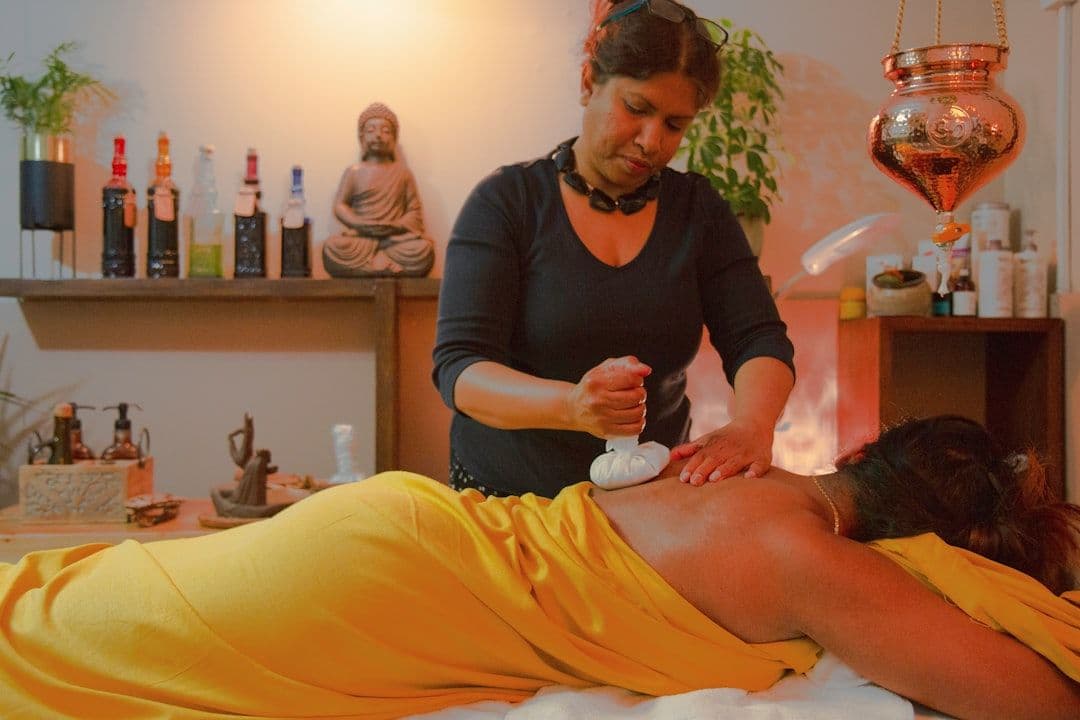
A typical Breuss Massage session lasts 45-60 minutes and takes place in a quiet, warm environment. You'll lie face-down on a massage table, usually undressed to underwear with towels for modesty and warmth. The practitioner begins by applying St John's Wort oil generously along your entire spine.
The massage itself involves remarkably slow, continuous strokes. Using the edge of their hand, the practitioner traces the length of your spine repeatedly, applying gentle downward pressure that's sustained by their body weight. The pressure is firm enough to create a sense of lengthening but light enough that it never feels intrusive. Some practitioners incorporate very gentle stretching movements, particularly around the lower back.
Many people report entering a deeply relaxed state during treatment — some even fall asleep. The combination of gentle repetitive touch, warm oil, and sustained quiet can feel profoundly restful. Don't expect dramatic releases or intense sensations; the entire experience is designed to be soothing and meditative.
After treatment, practitioners often recommend rest and gentle movement. Some suggest avoiding heavy lifting or strenuous activity for the remainder of the day to allow the spine to settle.
Evidence and Real-World Experience
Clinical research specifically examining Breuss Massage remains very limited. There are no large-scale randomised controlled trials evaluating its effectiveness, and the proposed mechanism of disc regeneration through oil absorption has not been validated scientifically. Most evidence comes from case studies, practitioner observations, and patient testimonials.
However, practitioners consistently report that clients experience reduced back pain, improved mobility, and significant relaxation following treatment. Many describe a sense of 'lightness' in the spine and improved sleep quality. These benefits may relate to the massage's effects on muscle tension, circulation, and nervous system activation rather than the specific disc regeneration theory.
Some preliminary research on gentle spinal traction and manual therapy suggests these approaches may provide short-term pain relief for certain types of back problems. The extended relaxation component may also contribute to pain reduction through stress hormone modulation and improved sleep — both important factors in chronic pain management.
For people seeking very gentle bodywork as part of a holistic approach to back care, many find Breuss Massage valuable regardless of questions about its theoretical foundations.
Finding Treatment and Practical Considerations
Breuss Massage practitioners are most commonly found within complementary therapy clinics, particularly those offering German or Austrian healing methods. Many practitioners also train in the Dorn Method, as the two techniques are traditionally used together. In the UK, look for therapists registered with the Complementary & Natural Healthcare Council (CNHC) or the Federation of Holistic Therapists (FHT).
Sessions typically cost £40-80, similar to other specialised massage therapies. Treatment frequency varies considerably — some people receive monthly sessions for general wellbeing, whilst others might have weekly treatments during periods of acute discomfort. The gentle nature of the technique means it's generally safe to receive more frequently than deeper massage work.
When choosing a practitioner, ask about their specific training in Breuss Massage rather than general massage qualifications. Reputable practitioners should be able to explain the technique's principles, discuss its limitations honestly, and work appropriately within their scope of practice. They should never suggest discontinuing medical treatment or claim to cure serious spinal conditions.
If you're drawn to very gentle approaches to bodywork and curious about traditional European healing methods, Breuss Massage offers a uniquely restful experience that many find supportive for both physical tension and overall stress management.