Before the Session: What to Expect
In the hours before sitting with oracle cards—whether you're seeing a practitioner or working alone—you might notice a quiet anticipation building. There's often a gentle nervousness, a sense of stepping into unfamiliar territory. You may wonder what you'll discover, whether the cards will give you the answers you're seeking, or if you'll feel foolish sitting in silence with illustrated cards. This hesitation is completely normal. Many people approach oracle cards with a mix of curiosity and skepticism, and that's a healthy starting point.
You might prepare your space without realizing it's part of the ritual—dimming lights, making tea, finding a comfortable chair. Some people journal questions beforehand, jotting down what they hope to explore: grief they haven't named, confusion about a life change, anxiety that's been sitting in their chest. Others come with no specific intention, simply open to whatever the cards reflect back. Both approaches are valid. The anticipation itself—that sense of turning inward, of creating space for something meaningful—begins the work before any cards are drawn.
Arriving and Setting the Scene
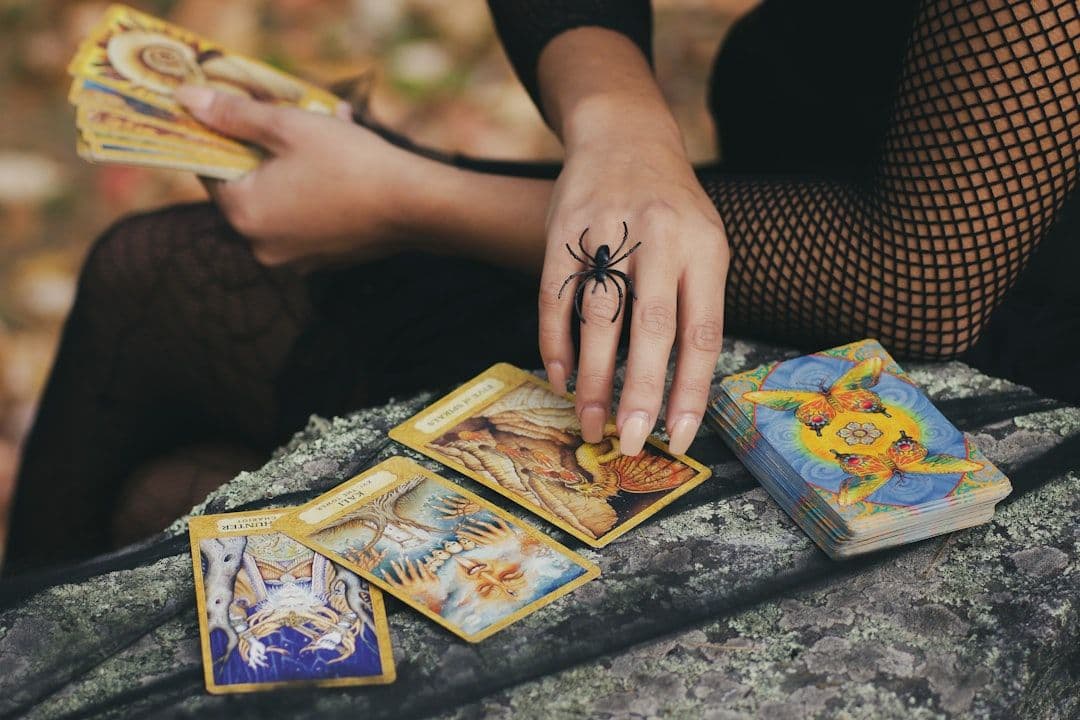
When you sit down with the cards, the first thing you notice is the shift in pace. The world outside fades. If you're with a practitioner, there's a calm presence in the room—soft lighting, perhaps incense or the faint scent of herbs, and a sense that this time is held just for you. They explain how the practice works without pressure or promises. If you're alone, you create your own sanctuary: a corner of your home, your favorite blanket, perhaps a candle. The physical act of shuffling the deck becomes meditative. The cards are often warm to the touch, weighty in your hands, and the repetitive motion of mixing them settles something restless inside you.
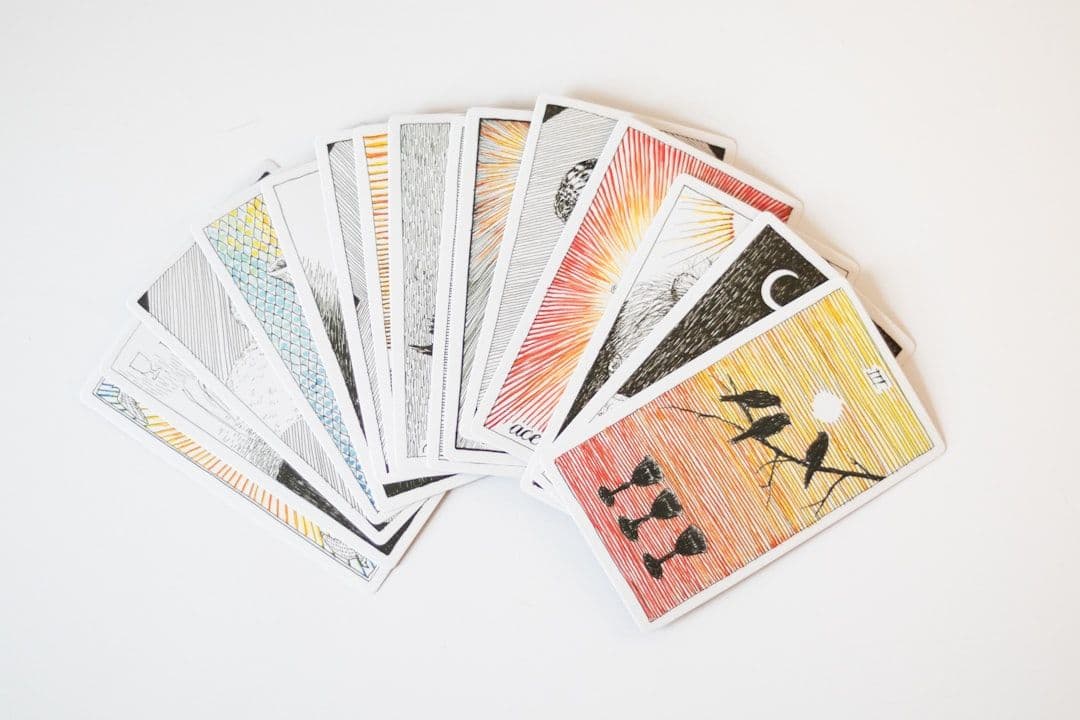
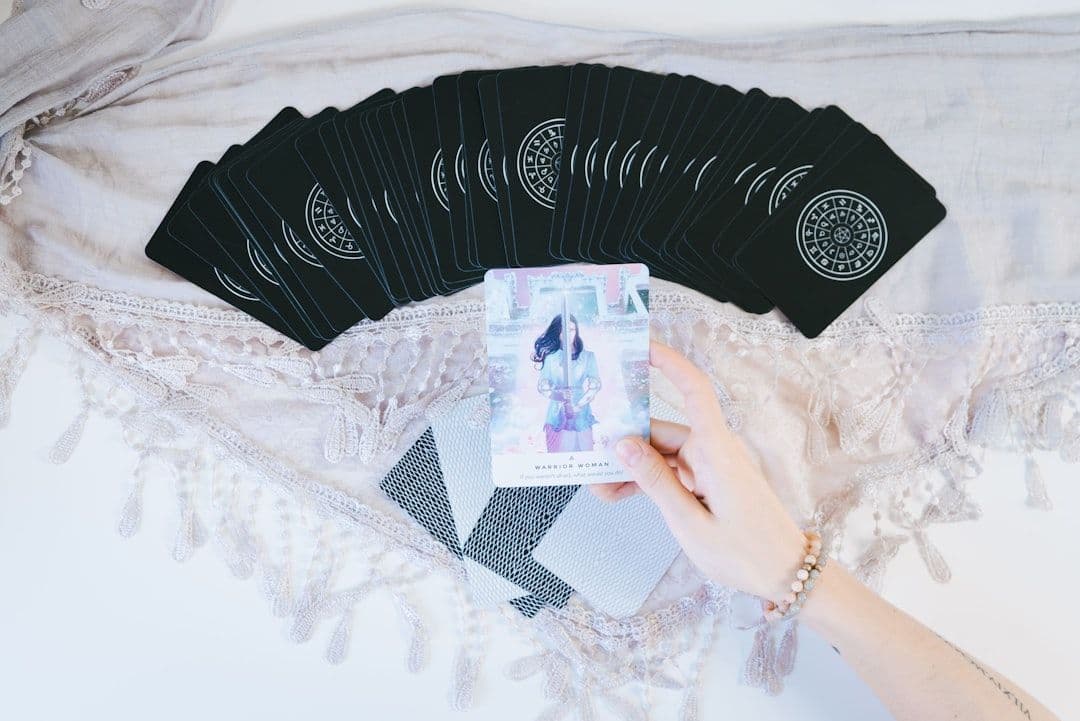
There's no "right" way to do this. Some people lay cards in specific spreads—past, present, future; or cards addressing different life areas. Others simply draw one or two cards and sit with their images. A practitioner might invite you to notice what initially strikes you about a card's imagery, color, or symbolism. You might see a card depicting mountains and feel something unlock in your chest—recognition, perhaps, of the climb you're on. The scene you've created, whether intimate or guided, now holds space for your inner work. You're no longer rushing through your day. You're here, present, willing to listen to yourself.
During the Session
As cards are revealed or drawn, something quietly remarkable often unfolds. A card appears, and you notice your breath catching slightly—not because it's magical in a mystical sense, but because its image or message touches something true in you right now. You might see a card about rest and realize you haven't slept well in weeks; a card about transition and recognize you're grieving a change you thought you'd accepted. The symbols work like keys, unlocking reflection you've been holding at bay.
If you're with a practitioner, they offer interpretations—sometimes asking questions that spiral your thinking outward in unexpected directions. "What does this card stir in you?" "Where do you feel this in your body?" You might find yourself speaking things aloud you haven't voiced before. Sadness about loss. Anxiety about an uncertain future. A longing for connection or clarity. The cards create permission for honest conversation with yourself and, if you're with someone, with another person. Silence also holds space in the room—moments where you simply sit with an image, breathing, noticing what arises without rushing to understand it.
Physically, you might feel warmth spreading through your chest as emotions surface. Your shoulders may drop as tension releases. Some people cry; others feel a sudden clarity, as if a fog has lifted. Others sit in confusion for a moment before a pattern emerges across multiple cards—a thread of meaning connecting them. The session is not about fortune-telling or prediction. It's about creating a mirror, symbolic and safe, in which to see yourself more clearly.
How You May Feel Afterwards
When the reading ends, there's often a gentle reentry into ordinary time. You might feel lighter, as though something heavy has been witnessed and released. Some people describe a calm that settles over them—not the absence of their original concern, but a shift in how they hold it. Where there was confusion, there's now a thread to follow. Where there was isolation in grief, there's now permission to feel it fully.
The hours and days that follow frequently reveal the deeper work the cards initiated. You find yourself returning to a particular image in your mind, noticing new details or meanings. You journal on a card's message and unexpectedly write through an emotion you didn't know you were carrying. Sleep might come more easily; anxiety might ease into a gentler hum. Some people experience no dramatic shift at all, but rather a quiet accumulation of small insights—noticing where they need rest, where a boundary is needed, what they've been grieving.
It's important to note that these reflective experiences unfold gradually and are most supportive when paired with other wellness practices and, if needed, professional care. If you're working through anxiety, depression, grief, or adjustment challenges, oracle cards work best as a complementary tool alongside therapy, medical treatment, or other evidence-based approaches. The clarity or calm you feel is real and valuable—it reflects genuine introspection and self-compassion—but it's the beginning of work, not the end of it. Many people find that a single card reading opens questions that take weeks or months to fully explore and integrate.
Is It Right for You?
Oracle cards are a low-barrier entry point to reflective practice and self-awareness. If you're drawn to symbolic language, enjoy journaling or introspection, or are looking for a tactile way to slow down and listen to yourself, they may feel natural. They work well for people navigating transitions, exploring emotions, or building a daily mindfulness practice. They're accessible, affordable, and require no special belief system—only openness to the process of sitting quietly with yourself.
They're less suited to people in acute mental health crises—if you're experiencing severe anxiety, suicidal thoughts, acute grief, or significant depression, professional mental health care is essential and should come first. Oracle cards are beautiful complements to therapy, not replacements for it. Similarly, if you have difficulty distinguishing between symbolic reflection and literal prediction, or if you tend toward magical thinking that might interfere with grounding yourself in practical reality, discuss card use with a healthcare provider before beginning.
Ultimately, oracle cards invite you into conversation with yourself. They offer no guarantees, make no medical claims, and promise no transformation overnight. What they do offer is permission to pause, to notice what's true in you right now, and to trust your own wisdom in interpreting what emerges. That quiet act of listening to yourself—that simple turning inward—is often where healing and clarity quietly begin.