What Is Oracle Cards?
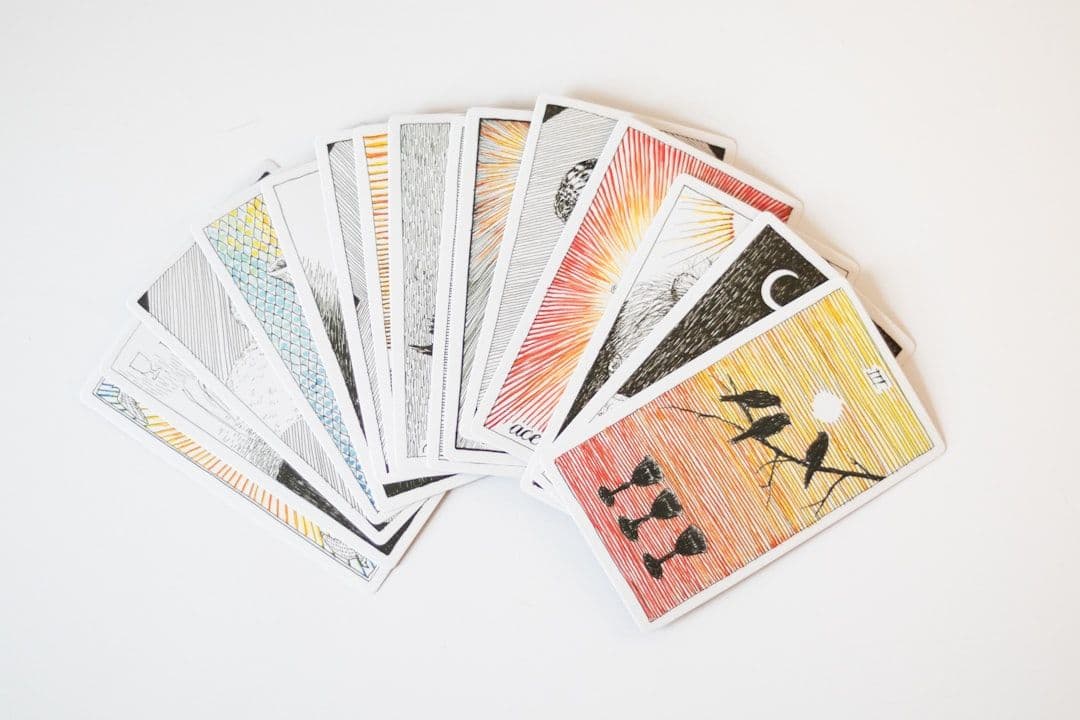
Oracle cards are a set of symbolic cards used as a tool for personal reflection, emotional exploration, and self-inquiry. Unlike tarot, which follows a traditional 78-card structure with archetypal meanings, oracle decks vary widely in their number, themes, and messages. Each oracle deck typically features artwork, affirmations, or symbolic imagery on individual cards, with accompanying guidebooks explaining traditional interpretations. The practice falls within the metaphysical realm and is rooted in divination traditions that have existed across cultures for centuries. Oracle cards are used as a framework for introspection rather than a predictive tool. When a person draws a card, the imagery and message serve as a mirror or prompt, inviting them to reflect on their current situation, emotions, or questions. The meaning derives primarily from the individual's personal interpretation and how the card resonates with their lived experience. Oracle cards are increasingly recognized as a wellness practice alongside journaling, meditation, and therapy, though they remain a complementary rather than clinical intervention. They are accessible to anyone curious about self-reflection, regardless of spiritual belief or background, though many practitioners frame them within spiritual or metaphysical contexts.
How Does It Work?
Oracle card practice operates on the principle of synchronicity—the idea that meaningful coincidence can illuminate personal insight. The mechanism is fundamentally psychological and reflective rather than supernatural. When you shuffle and draw cards, you are engaging in a structured form of free association and narrative-building. Your mind makes connections between the card's imagery and your current emotional or life circumstances, creating a personalized story or perspective. This process activates self-reflection and can shift how you perceive a situation. The card itself acts as a neutral symbol; its power comes from your interpretation and the emotional or cognitive response it triggers. For example, a card depicting a bridge might prompt someone facing a life transition to consider their progress or what lies ahead, whereas another person might see it as a symbol of connection or crossing difficult terrain. A practitioner or guidebook offers traditional interpretations, but your own instinct and emotional response are considered equally or more important. The benefits are often attributed to several psychological mechanisms: the space created for pausing and reflection, the narrative construction that our brains naturally engage in, the permission to explore feelings or desires that might otherwise remain unspoken, and the sense of agency that comes from interpreting and acting on insights. This approach aligns with established benefits of expressive therapies, journaling, and mindfulness-based reflection, where the process of articulation and contemplation itself is therapeutic.
What Does a Session Involve?
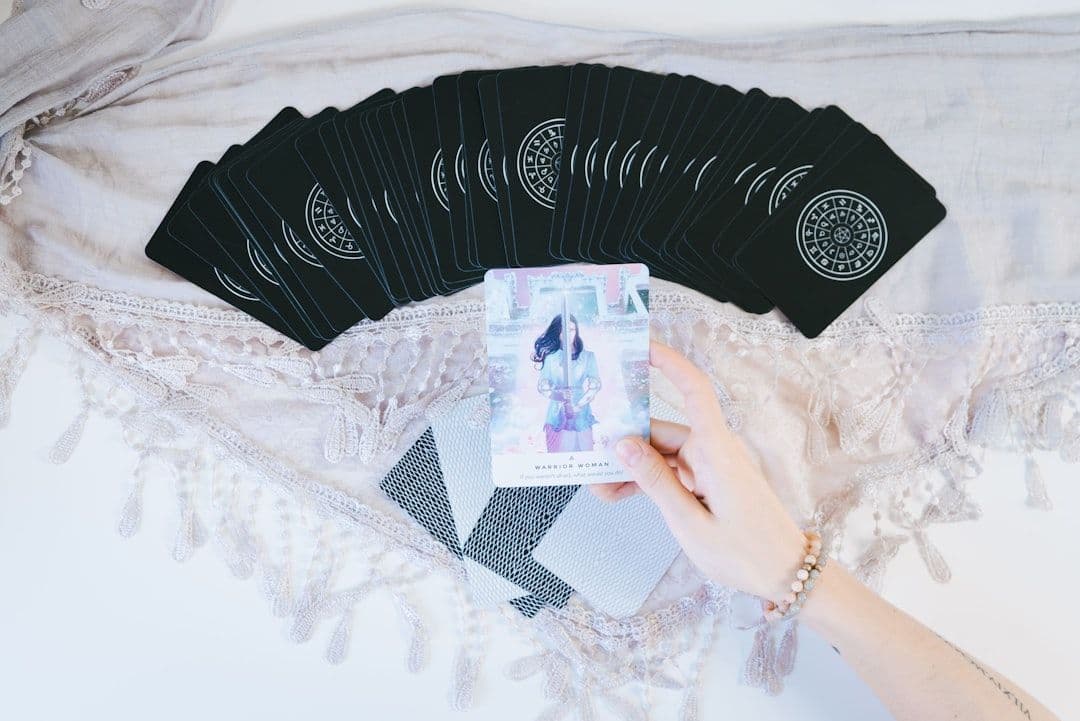
An oracle card session typically follows a simple structure, whether conducted by a practitioner or done independently. The process usually begins with an intention or question—something the person wants clarity on, such as What do I need to know right now? or How can I care for myself during this transition? The practitioner or individual then shuffles the deck while holding this intention, creating a moment of focus and presence. Cards are then drawn based on a chosen spread. A spread is a layout pattern; simple spreads might involve drawing a single card, while more complex spreads might draw three cards representing past, present, and future, or body, mind, and spirit. Once cards are laid out, interpretation begins. A practitioner will look at the imagery, read the card's guidebook description, and share their observations, often asking questions to invite deeper reflection: What does this card bring up for you? What do you notice about the image? How does this relate to your situation? This conversational element is key. The practitioner acts as a guide rather than an authority, validating the person's interpretations and helping them explore connections to their own life. A session may last 20 minutes to an hour, depending on depth and format. Self-guided sessions are more flexible and can occur daily as part of a personal practice, often taking just 5 to 10 minutes. Many people draw a daily card as a grounding ritual or return to cards during times of stress or decision-making. The session concludes with reflection and sometimes journaling, where the person captures insights or commitments they wish to explore further.
Who May Benefit?
Oracle cards can be beneficial for a wide range of people, particularly those seeking personal reflection and emotional clarity. People navigating major life transitions—such as career changes, relationship shifts, or relocation—often find cards helpful for exploring their feelings and identifying values or priorities. Individuals processing grief, loss, or bereavement may use cards as a safe, symbolic way to express emotions and feel witnessed in their experience. Those experiencing uncertainty, confusion, or feeling overwhelmed can benefit from the structured reflection that cards provide; the process of drawing and interpreting can create a sense of clarity or direction. People managing anxiety, burnout, or stress sometimes use oracle cards as part of a mindfulness or self-care routine, finding the reflective pause and symbolic narrative calming. Individuals interested in building self-awareness, exploring personal boundaries, or understanding their values may gravitate toward regular card practice. Oracle cards are also appealing to those who prefer intuitive, non-linear approaches to problem-solving or who resonate with metaphysical or spiritual frameworks. However, oracle cards are not a substitute for professional mental health care. People experiencing severe depression, acute anxiety, trauma, suicidal ideation, or other serious mental health conditions should prioritize consultation with a healthcare provider or mental health professional. Cards can complement therapy or counseling but should never replace it. Additionally, individuals who struggle with magical thinking, dissociation, or who may be vulnerable to misinterpreting cards as literal prophecy should approach the practice with caution or under professional guidance.
What Does the Evidence Say?
The evidence base for oracle cards is primarily rooted in traditional use and anecdotal user reports rather than randomized controlled trials or clinical studies. This is important context: oracle cards should be understood as a metaphysical and reflective practice, not as a medical or psychiatric intervention. No high-quality clinical evidence demonstrates that oracle cards treat, cure, or heal mental health conditions. However, several research areas provide indirect support for the mechanisms underlying oracle card practice. Research on expressive therapies, narrative therapy, and journaling consistently shows that engaging in reflective, symbolic, or written expression can support emotional processing and psychological well-being. Studies on mindfulness-based interventions demonstrate that cultivating awareness, pausing rumination, and shifting perspective can reduce anxiety and support resilience. The self-compassion literature, pioneered by researcher Kristin Neff, highlights how self-inquiry and compassionate internal dialogue—processes that oracle cards can facilitate—are associated with improved mental health outcomes. Additionally, research on the psychological benefits of ritual and meaning-making suggests that structured, intentional practices can provide emotional regulation and a sense of agency. For specific conditions such as grief, adjustment disorder, anxiety, and burnout, the evidence supporting oracle cards is traditional rather than clinical. They may be most appropriately framed as a supportive tool used alongside evidence-based interventions such as therapy, medication, or professional counseling. Large-scale studies specifically examining oracle card efficacy do not exist, and practitioners should be transparent about this limitation. The practice is best positioned as a personal, experiential tool for self-reflection, clarity, and emotional expression—valuable in its own right, but distinct from medical treatment.
Safety and Considerations
Oracle cards are a non-invasive practice and carry minimal direct physical risk. However, several safety considerations merit attention. First and foremost, oracle cards should never replace professional mental health care, medical treatment, or prescribed medication. Individuals experiencing serious mental health conditions—including severe depression, acute anxiety, suicidal thoughts, psychosis, or trauma—must consult a qualified healthcare professional or mental health counselor as a priority. Cards may inadvertently delay necessary care if someone relies on them as a substitute for professional support. Second, be cautious about over-reliance or magical thinking. While oracle cards can be a supportive reflective tool, they should not be treated as a source of absolute truth or destiny. Avoid making major life decisions—such as leaving a job, ending a relationship, or declining medical treatment—based solely on a card reading. Instead, use cards as one voice in a larger decision-making process that includes consultation with trusted people, professional advice, and your own judgment. Third, choose practitioners carefully. A qualified oracle card reader should be transparent about their background, training, and the limits of their practice. They should clearly communicate that cards are a reflective and complementary tool, not a medical or mental health intervention. Avoid practitioners who make medical or psychiatric claims, pressure you into ongoing paid sessions, or suggest you discontinue professional healthcare. Look for practitioners affiliated with reputable holistic health organizations or who have formal training in complementary therapies. Fourth, be aware of potential vulnerabilities. If you have a history of dissociation, magical thinking, or are in acute emotional crisis, approach oracle cards with caution or under professional guidance. Pregnant people, children, or individuals with certain psychiatric conditions may benefit from professional guidance before engaging with this practice. Finally, maintain realistic expectations. Oracle cards offer reflection and perspective, not prediction or certainty. Their value lies in the process of self-inquiry and the clarity that can emerge from that reflection, not in any external truth the cards reveal.
How to Find a Qualified Practitioner
Finding a qualified oracle card practitioner requires some research and thoughtful consideration. Start by seeking practitioners with transparent credentials and training. Many oracle card readers have formal training in divination, tarot, or complementary therapies, though there is currently no universal licensing or certification body for oracle card practice. Ask practitioners about their background: How long have they practiced? Do they have training in related fields, such as counseling, coaching, or expressive therapies? Are they affiliated with professional organizations such as the Association of Professional Tarot (APT), the Tarot Guild, or other holistic health bodies? Reputable practitioners will be open about answering these questions. Seek recommendations through word-of-mouth, trusted holistic health directories, or verified online platforms. Gyfts and similar platforms provide vetted practitioner listings with reviews and background information. Read client reviews and testimonials, paying attention to comments about the practitioner's professionalism, clarity, and ethical boundaries. Interview potential practitioners before booking. A good practitioner will take time to explain their approach, discuss your needs and expectations, and clarify that oracle cards are a complementary reflective tool, not a medical or mental health treatment. They should ask you questions about your situation and frame their practice within appropriate boundaries. Red flags include practitioners who make medical claims, push you toward ongoing expensive sessions, suggest you discontinue professional mental health care, or present themselves as having special supernatural powers. Verify that a practitioner is clear about their qualifications and limitations. A qualified reader should say something like My background is in oracle card reading and complementary wellness practices; I am not a substitute for therapy or medical care. They should encourage you to continue working with healthcare providers if you are receiving treatment. Additionally, consider whether a practitioner's approach aligns with your values and worldview. Some readers emphasize spiritual frameworks, while others focus on psychological reflection; both can be valid, so choose what resonates with you. Finally, trust your intuition during any interaction. If a practitioner makes you uncomfortable, pushes you too hard to book further sessions, or dismisses your concerns about cost or appropriateness, seek someone else. Quality oracle card practitioners are supportive, ethical, and clear about the boundaries of their practice.