Why Practitioners Choose This Modality
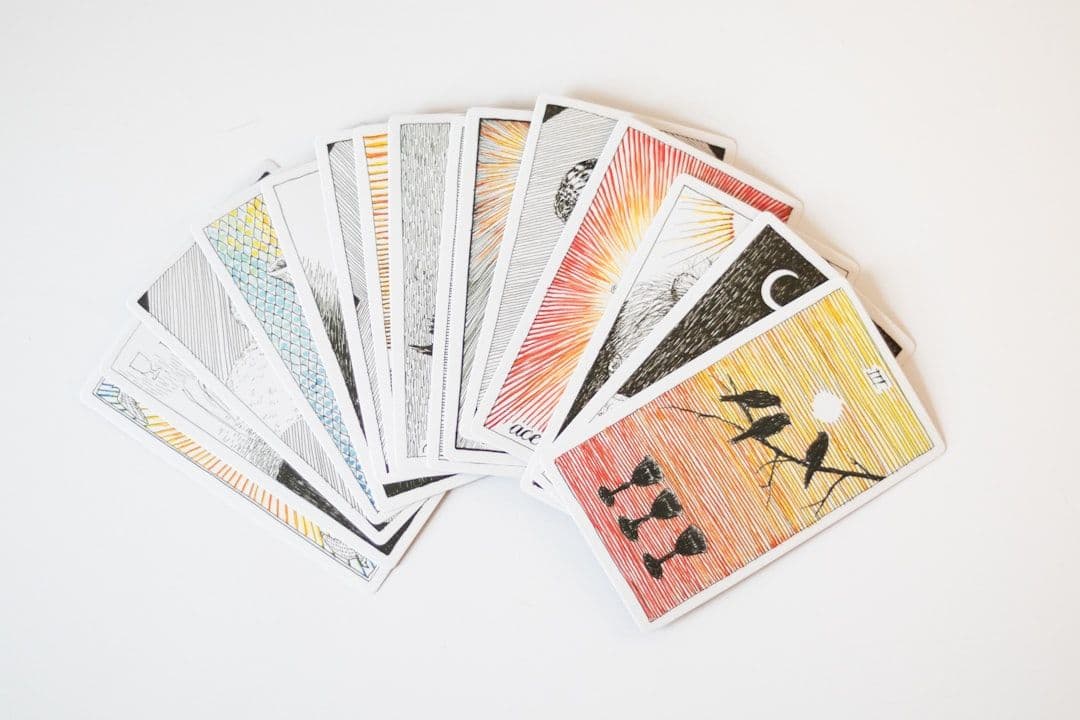
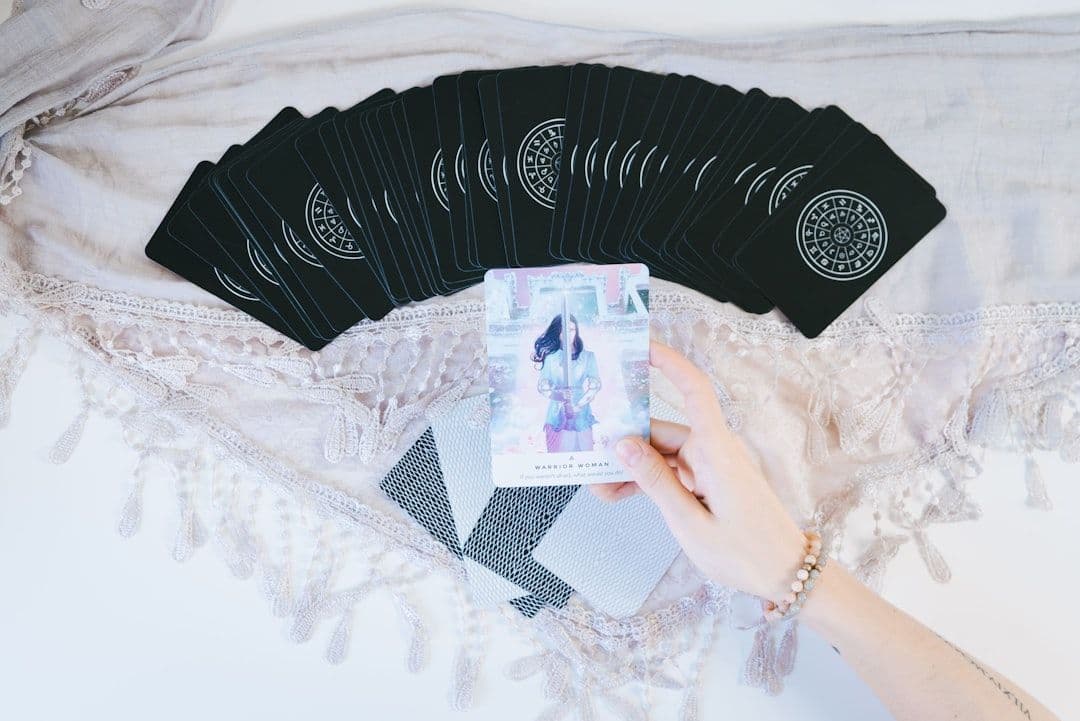
Practitioners gravitate toward oracle cards because they witness firsthand how symbolic imagery creates a bridge to self-awareness. Unlike modalities that claim to diagnose or treat, oracle cards work as a reflective mirror—they invite clients to look inward and discover their own answers. This empowerment resonates deeply with practitioners who believe healing comes from within.
Many practitioners are drawn to the flexibility and accessibility of oracle cards. Each deck carries its own energy and theme—from nature-based and angel-centered to trauma-informed and culturally specific collections. This variety means practitioners can match decks to clients' needs and preferences, creating a personalized experience.
Practitioners also appreciate the contemplative space cards create. In a world of constant stimulation and decision-making, a card reading becomes a pause—a moment to breathe, reflect, and reconnect with one's intuition. For practitioners trained in psychology or therapy, cards offer a complementary tool that honors the client's agency and spiritual beliefs without overstepping professional boundaries. The practice aligns with values of holistic wellness: addressing emotional, mental, and spiritual dimensions rather than symptoms alone.
What Clients Typically Experience
Clients often arrive at oracle readings seeking clarity during confusion or comfort during distress. What they typically experience varies, but common threads emerge across practitioners' observations. Many report that a single card or message feels startlingly relevant—a sense of being 'seen' or understood. This resonance often sparks deeper reflection; a client might realize they already knew their answer but needed permission or validation to act on it.
Emotionally, readings can feel cathartic. People processing grief, anxiety, or major life changes frequently describe a sense of relief or lightness afterward. The symbolic language of cards seems to bypass rational defenses and access feelings that are difficult to articulate otherwise. Some clients cry during readings—not from distress, but from the release of pent-up emotion.
Others experience readings as energizing. A card about courage or boundaries might spark motivation to make a change, set a limit, or pursue a dream. Still others find the ritual of shuffling, laying cards, and sitting with their meaning deeply calming—the practice itself becomes a form of mindfulness that quiets racing thoughts.
It's important to note that responses are highly individual. Some clients feel immediate shifts; others experience subtle shifts over days or weeks as they journal or reflect on the reading's themes. A few may not resonate with cards at all—and that's equally valid. The modality works best when the client is open to self-reflection and views cards as a tool for introspection, not external prediction.
Common Misconceptions
One of the most persistent misconceptions is that oracle cards predict the future with certainty. This belief can lead people to make major life decisions based solely on a reading, or to feel anxious if a card seems negative. Professional practitioners are clear: cards do not foretell fixed outcomes. They reflect probabilities, patterns, and possibilities—not destinies. They work best as a tool for exploring your present circumstances and your own inner wisdom.
Another misconception is that cards are 'magic' in a supernatural sense. While some practitioners work from a spiritual framework, cards themselves are simply cardboard and ink. The power comes from your own reflective capacity, your readiness to hear a message, and the practitioner's skill in asking the right questions. It's the contemplation that heals, not the cards themselves.
Some people believe that reading oracle cards is inherently religious or anti-science. In reality, many secular practitioners use cards as a psychological tool for cognitive reframing and emotional processing. Others use them within spiritual traditions. Neither approach is 'right'; it depends on the individual's worldview.
A related misconception is that oracle cards replace professional mental health care. They do not and should not. Cards are a complementary modality—a support alongside therapy, medication, or medical treatment. For serious mental health conditions, professional care is essential. Cards can support that care but never substitute for it.
Finally, some believe that a 'bad' card means bad luck or impending disaster. Most oracle decks are designed with healing and wisdom in mind, so there are few genuinely 'negative' cards. Even challenging messages typically point toward growth, awareness, or a needed change. A skilled practitioner reframes cards as guidance, not prophecy.
Advice for First-Timers
Entering the world of oracle cards for the first time can feel mysterious or even intimidating. Here's practical guidance to help you begin.
First, approach cards with an open yet grounded mindset. You don't need to believe in 'magic' to benefit from the reflective process. Think of a reading as a conversation with yourself, facilitated by symbolism. Come with genuine curiosity, not skepticism designed to prove the cards wrong. At the same time, maintain healthy boundaries: cards offer perspective, not certainty. You remain the expert on your own life.
Second, find a practitioner you trust. Look for someone with formal training, clear ethics, and transparency about what cards can and cannot do. A good practitioner won't pressure you, make dramatic claims, or encourage dependence. They'll empower you to trust your own intuition. If you feel uncomfortable or manipulated, it's okay to decline a second reading and seek someone else.
Before your reading, clarify your intention. Are you seeking emotional support during grief? Clarity on a decision? Perspective on anxiety? A vague question yields vague insights. Share your intention with the practitioner so they can tailor the reading.
During the reading, listen actively and feel free to ask questions. You might be given a card with an interpretation that doesn't resonate at first—ask the practitioner to clarify or explore further. Trust your gut responses. If something feels true, make note of it. If it doesn't, that's okay too.
After your reading, journal about what emerged. Write down the cards, the practitioner's insights, and your own reflections. Notice what stays with you over the following days or weeks. Often the deepest wisdom comes not in the moment but as you sit with the message.
Finally, use oracle cards as part of a broader wellness practice. Combine readings with professional support if you're navigating serious challenges. If you love cards, consider keeping a personal deck for daily reflection—many people draw a single card each morning as an intention-setting practice. Explore different decks until you find one that speaks to you. Oracle cards are a tool, like journaling or meditation. Their value lies in how they support your self-awareness and well-being.
When to Seek Additional Support
While oracle cards can support emotional clarity and self-reflection, certain situations require professional mental health care immediately. If you are experiencing thoughts of suicide or self-harm, please contact a mental health crisis line or emergency service now. Oracle cards cannot address these urgent needs.
Similarly, if you are experiencing active symptoms of severe mental illness—such as psychosis, extreme mood swings, dissociation, or loss of reality contact—consult a psychiatrist or mental health professional before using cards. Intense self-reflection during a vulnerable mental state can be destabilizing rather than helpful.
For ongoing mental health conditions like clinical depression, generalized anxiety disorder, trauma, or personality disorders, oracle cards are best used alongside professional therapy or medical treatment, not instead of it. A qualified therapist can help you integrate card insights safely and ensure they support rather than undermine your treatment.
You should also seek professional guidance if a reading triggers overwhelming emotions that you cannot process alone, or if you find yourself becoming dependent on cards to make every decision. Cards should empower your autonomy, not replace your judgment or professional advice.
If you have a history of disordered thinking, magical thinking, or obsessive patterns, discuss card use with your healthcare provider first. Some practitioners are trained in trauma-informed practice and can create a safer container, but professional assessment is wise.
In summary: oracle cards are a lovely complementary tool for many people, but they are never a substitute for medical care, psychiatric treatment, or emergency services. Use them as one strand in a broader tapestry of self-care and professional support. If you're unsure whether cards are appropriate for your situation, ask a qualified healthcare provider. Your safety and well-being come first.