Before the Session: What to Expect
The anticipation before your first oxygen therapy session might bring a mix of curiosity and mild nervousness—both entirely normal. In the days leading up, take time to reflect on what drew you to explore this modality. Are you seeking relief from breathlessness? Hoping to address brain fog or exhaustion? Understanding your personal intention helps you arrive more grounded.
Prepare practically: wear loose, comfortable clothing to allow easy access to your arms if a nasal cannula or mask will be used. Avoid heavy perfumes or oils, as these can interfere with oxygen equipment and pose a fire safety concern. Eat something light but nourishing a few hours before your appointment—low blood sugar can amplify anxiety, while a heavy meal might make you feel sluggish. Bring water and stay hydrated; dehydration can subtly affect how you feel during the session.
Most importantly, gather your medical history. Jot down current medications, supplements, any recent medical events, and conditions your practitioner should know about. This conversation—honest and thorough—builds trust and ensures your session is tailored safely to your needs. Many people find it helpful to write down one or two goals for the session. Are you hoping to feel more alert? Calmer? Less fatigued? Naming these quietly to yourself can anchor your experience and help you notice subtle shifts later.
Arriving and Setting the Scene
Walking into the oxygen therapy space, you might notice the calm, clinical yet welcoming atmosphere. The room is typically well-ventilated and quiet—a deliberate design choice that invites relaxation from the moment you step in. Your practitioner greets you warmly, perhaps asking how you're feeling today, whether you've eaten, and if you have any last-minute questions.
You'll be invited to sit or recline in a comfortable chair or bed, depending on your treatment type. If you're receiving standard oxygen therapy via nasal cannula or mask, the setup is straightforward and non-invasive. If you're entering a hyperbaric chamber, the practitioner walks you through the pressurisation process so there are no surprises. They explain what you'll hear (a gentle humming or hissing sound as pressure increases) and what you might feel (mild ear pressure, similar to ascending in an aeroplane).
The lighting is often soft, and many practitioners play gentle background music or nature sounds—birdsong, flowing water—that encourages a meditative state. You're given a call button or hand signal to use if you need immediate attention, which provides a reassuring sense of control. Your practitioner checks your baseline: blood pressure, heart rate, oxygen saturation (via a small pulse oximeter clipped to your finger). These readings aren't alarming—they're simply establishing your starting point so the practitioner can monitor changes safely.
During the Session
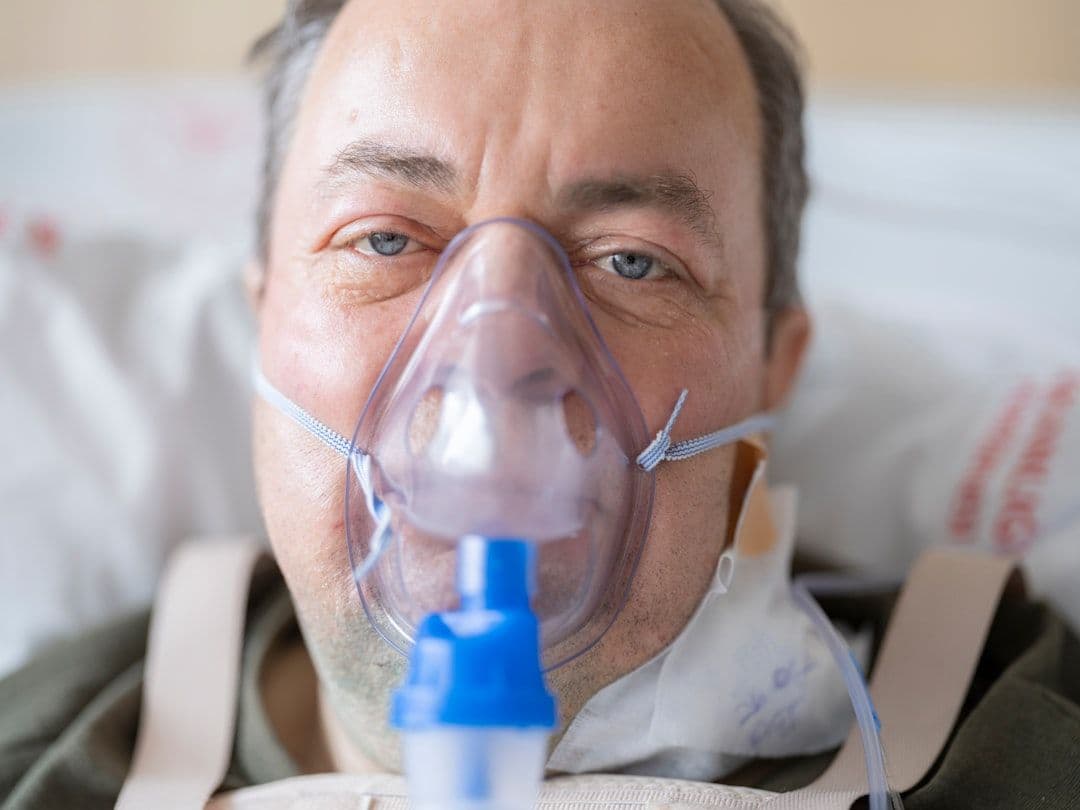
As oxygen begins to flow, most people report a subtle shift within the first few minutes. If you're using a nasal cannula, the sensation is gentle—barely noticeable, like a soft breeze in your nostrils. A face mask feels more enveloping but remains comfortable once settled. Some describe a faint, clean taste on the back of their throat; others feel nothing obvious at all in terms of sensation, yet notice their breathing becoming quieter and easier.
As minutes pass, many people experience a gentle, almost imperceptible settling. Your shoulders may drop slightly. Your jaw unclenches. Some describe a sense of mental clarity emerging—as if fog they didn't realise was there begins to lift. Thoughts feel less sticky, the room seems brighter, fatigue recedes into the background. Others feel a quieting of their nervous system, a deepening calm that feels almost like meditation. A few experience increased alertness and energy, particularly if they've been struggling with persistent exhaustion.
In a hyperbaric chamber, the pressurisation happens gradually over several minutes. Your ears may pop slightly—this is normal and manageable with gentle swallowing or a Valsalva manoeuvre (the same technique used to unblock ears on aeroplane descent). Once pressurised, the sensation is one of gentle, supportive compression. Many people describe it as being held or embraced. The air feels richer, easier to breathe. Time often feels suspended in these chambers; an hour can drift by like twenty minutes.
Throughout, your practitioner monitors you discreetly, checking vital signs periodically and remaining available if you need adjustment. Most people use the time for rest, reflection, or simply being present in their body. You may drift toward sleep; some do, and that's perfectly fine. Others prefer to remain gently aware, noticing the sensations and shifts happening within.
How You May Feel Afterwards
As the session concludes and oxygen flow decreases, there's often a moment of transition. The mask or cannula is removed gently, and you're invited to sit up slowly, giving your body a moment to readjust. Many people emerge with a sense of lightness or spaciousness. Your breathing may feel fuller, your energy more available. Some describe their vision as clearer, colours seeming slightly more vivid. Mental fog often lifts noticeably—thoughts flow more smoothly, concentration feels more natural.
In the first hour after your session, you might notice a pleasant tiredness, an invitation to rest gently rather than the heavy, unrefreshing exhaustion you may have arrived with. Others feel energised, alert, and more capable. A few experience mild euphoria or emotional openness—this is your nervous system relaxing after potentially prolonged tension. These feelings typically settle within a few hours.
Some people notice no dramatic shift after a single session, and this is equally valid. Oxygen therapy often works cumulatively. Benefits may deepen over several sessions as your body becomes accustomed to improved oxygenation and your cells begin to function more efficiently. Keep a simple note of how you feel—energy level, mental clarity, mood, physical sensations—in the hours and days following your session. Patterns often emerge that wouldn't be obvious from a single experience.
In the days following, many people report more sustained improvements: better sleep quality, reduced afternoon fatigue, easier breathing, clearer thinking. Some notice old aches or pains ease slightly as tissues receive improved oxygen and begin to recover. These benefits typically build with consistent sessions over weeks.
Is It Right for You?
Oxygen therapy may be worth exploring if you're experiencing persistent fatigue, brain fog, breathlessness, or unrefreshing sleep—especially if these have resisted other approaches. It's a complementary modality with strong clinical evidence for several conditions, including COPD, cluster headaches, sleep apnoea, and wound healing. If you're managing any of these or struggling with chronic fatigue syndrome, discussing oxygen therapy with your doctor could open a helpful avenue.
The modality is generally well-tolerated and non-invasive, making it accessible for many people. Sessions are time-efficient, non-painful, and require no preparation or recovery. You can return to your normal day immediately afterward. There's no special diet, equipment to wear at home, or lifestyle change required unless your practitioner recommends ongoing sessions.
However, oxygen therapy is not a replacement for conventional medical care. If you have serious health conditions—COPD, sleep apnoea, diabetes with ulcers, or recurrent headaches—consult your doctor before starting, ensure your oxygen therapy is prescribed and monitored by a qualified healthcare provider, and never discontinue prescribed medications or treatments. Oxygen therapy shines when integrated alongside conventional care, each supporting the other.
Consider trying it if you're curious, if you have a condition for which evidence exists, and if a qualified practitioner is available near you. Many people find oxygen therapy a gentle, restorative addition to their health toolkit. Your first session is an exploration—notice how your body and mind respond, track changes over time, and build a sense of what this modality offers you personally. Trust your own experience and work collaboratively with both your oxygen therapy practitioner and your primary healthcare team to create a care approach that feels safe and effective for your unique needs.