What Is Oxygen Therapy?
Oxygen therapy is a medical modality that delivers supplemental oxygen to support cellular function and blood oxygenation. It encompasses two main approaches: normobaric oxygen therapy, which delivers oxygen at normal atmospheric pressure through nasal prongs, masks, or cannulae; and hyperbaric oxygen therapy (HBOT), which delivers 100% oxygen inside a pressurised chamber at higher than atmospheric pressure. Oxygen therapy is used alongside conventional medical care for a range of conditions affecting oxygen saturation, tissue healing, and energy metabolism. It is not a replacement for medical treatment but rather a complementary approach integrated into comprehensive care plans under medical supervision. The modality has a strong evidence base for specific indications, particularly in chronic respiratory disease, acute neurological conditions, and wound healing applications.
How Does It Work?
Oxygen therapy works through several physiological mechanisms depending on delivery method and condition. In normobaric oxygen, supplemental oxygen increases the partial pressure of oxygen in the bloodstream, raising blood oxygen saturation and reducing the workload on the heart and lungs. In conditions like COPD, this prevents hypoxia (inadequate oxygen) and reduces strain on the cardiovascular system. For cluster headaches, high-flow oxygen rapidly increases blood oxygen levels, which is thought to constrict dilated blood vessels and abort headache attacks. In hyperbaric oxygen therapy, the increased atmospheric pressure forces oxygen into plasma and tissues at much higher concentrations than normal breathing allows. This promotes angiogenesis (formation of new blood vessels), enhances white blood cell function, and helps dissolve nitrogen bubbles in decompression sickness. At the cellular level, increased oxygen availability supports mitochondrial function and aerobic energy production, which may help tissues heal and reduce fatigue symptoms. The specific mechanism varies by condition: stabilising oxygen levels in chronic disease, repairing damaged or hypoxic tissue, or sustaining cellular energy production.
What Does a Session Involve?
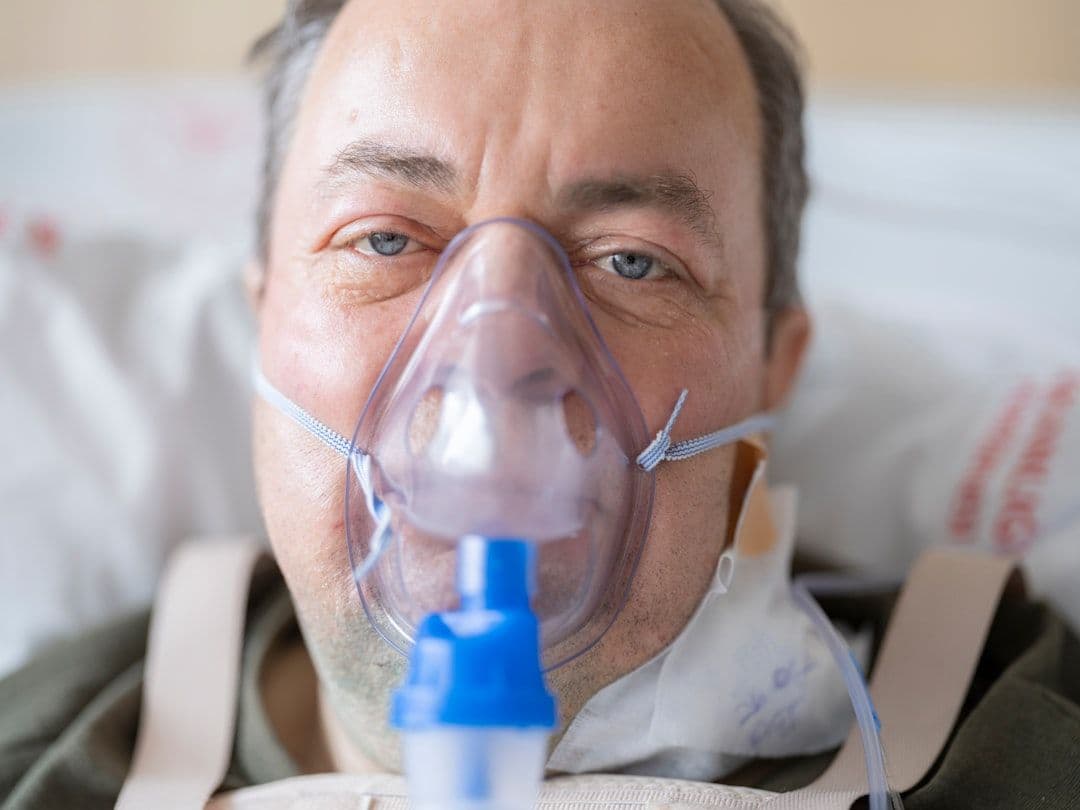
A typical oxygen therapy session varies significantly by type and condition. For home oxygen therapy, a respiratory therapist will assess your needs, fit your nasal mask or cannula, and adjust oxygen flow settings (measured in litres per minute) based on blood oxygen measurements and your doctor's prescription. You may use oxygen continuously or at specific times (such as during sleep or exercise). Sessions are self-administered and can last from hours to continuously throughout the day. For acute cluster headache treatment, you will inhale high-flow oxygen (typically 7–15 litres per minute) through a non-rebreather mask at the onset of an attack, usually for 15–20 minutes or until headache relief occurs. For hyperbaric oxygen therapy, you enter a pressurised chamber (monoplace or multiplace) fully clothed or in medical attire. The chamber is gradually pressurised over 10–15 minutes to the prescribed depth (typically 2.4–3 atmospheres). You then breathe 100% oxygen for 60–90 minutes, with periodic air breaks to reduce oxygen toxicity risk. The chamber is then slowly decompressed. A typical HBOT course consists of 20–40 sessions, typically scheduled 5 days a week. Throughout any oxygen therapy, trained practitioners monitor your response, blood oxygen levels, and any adverse reactions.
Who May Benefit?
Oxygen therapy may benefit people with a wide range of conditions affecting oxygen delivery and tissue function. People with chronic obstructive pulmonary disease (COPD), particularly those with resting blood oxygen saturation below 88%, are often prescribed long-term oxygen to prevent complications and improve survival. Those experiencing acute cluster headaches may benefit from high-flow oxygen as a rapid, non-pharmacological attack abortive. People with obstructive sleep apnoea may use supplemental oxygen or continuous positive airway pressure to maintain blood oxygenation during sleep cycles. Individuals with diabetic foot ulcers or other chronic wounds showing poor healing may benefit from hyperbaric oxygen, which accelerates tissue repair and reduces infection risk. People recovering from diving-related decompression sickness require emergency hyperbaric oxygen as a life-saving treatment. Emerging research suggests oxygen therapy may support those with chronic fatigue syndrome and related conditions characterised by persistent exhaustion and post-exertional malaise, though this application requires further clinical evidence. Ideal candidates have a confirmed diagnosis, medical assessment of oxygen needs, and realistic expectations about oxygen therapy as part of comprehensive care rather than a standalone cure.
What Does the Evidence Say?
The evidence for oxygen therapy is strongest in chronic respiratory disease, acute headache, and hyperbaric wound healing applications. Long-term oxygen therapy for COPD is supported by decades of clinical research demonstrating improved survival, reduced hospitalisations, and better quality of life in hypoxic patients. Cluster headache management with high-flow oxygen has strong evidence from multiple randomised trials and clinical guidelines, showing rapid attack abortion in 60–80% of patients. Obstructive sleep apnoea treatment with oxygen or positive airway pressure therapy is well-established in sleep medicine and cardiology. Hyperbaric oxygen for decompression sickness is recognised as the gold standard emergency treatment, with decades of diving medicine evidence. For diabetic foot ulcers, systematic reviews and meta-analyses support hyperbaric oxygen as an adjunctive treatment that significantly improves healing rates and reduces amputation risk in suitable candidates. Evidence for chronic fatigue syndrome and related energy disorders is emerging; some small studies and clinical observations suggest oxygen therapy may support mitochondrial function and reduce fatigue, but larger, rigorous randomised controlled trials are needed to establish efficacy and identify which patients benefit most. Across all applications, evidence quality and strength vary, and oxygen therapy is most effective when integrated into comprehensive medical care rather than used in isolation.
Safety and Considerations
Oxygen therapy is generally safe when prescribed and monitored by a qualified healthcare professional, but it carries specific risks and contraindications that must be understood. Supplemental oxygen increases fire risk because oxygen accelerates combustion; strict safety protocols must be followed, including avoiding open flames near oxygen equipment and using oxygen-safe tubing and equipment. Continuous oxygen at high concentrations can cause oxygen toxicity, damaging lung tissue and causing acute respiratory distress; this is why prescribed flow rates must never be exceeded. In hyperbaric oxygen therapy, barotrauma (pressure-related injury) can affect the ears, sinuses, and lungs if pressure changes are not managed carefully; practitioners must assess your ability to equalise ear pressure before treatment. Hyperbaric oxygen is contraindicated in untreated fever, certain chemotherapy drugs, and uncontrolled seizures. People with COPD require careful oxygen dosing because their breathing is regulated by carbon dioxide levels; excessive oxygen can paradoxically suppress breathing and cause respiratory failure, so prescriptions must be individualised and monitored. Pregnant women, people with high fever, and those with uncontrolled diabetes should consult their doctor before hyperbaric oxygen. Oxygen is not suitable as a replacement for prescribed medications or medical treatment; it is always used alongside conventional care. Never adjust your oxygen prescription or discontinue oxygen therapy without medical guidance. Regular follow-up appointments are essential to monitor your response, adjust settings if needed, and ensure safety.
How to Find a Qualified Practitioner
Finding a qualified oxygen therapy practitioner requires checking credentials and verifying experience with your specific condition. For home oxygen therapy, ask your doctor for a referral to a respiratory therapist or respiratory physiology specialist registered with the Health and Care Professions Council (HCPC) or equivalent body in your country. These practitioners should have formal qualifications in respiratory physiology, oxygen therapy, and equipment management, and they will conduct baseline blood oxygen tests and work with your doctor to set appropriate oxygen prescription parameters. For acute oxygen therapy (such as cluster headache treatment), your neurologist or GP can prescribe high-flow oxygen and teach you proper inhalation technique; specialist headache centres often have trained staff to guide you. For hyperbaric oxygen therapy, seek a facility accredited by a recognised hyperbaric medicine body such as the British Hyperbaric Association, European Committee for Hyperbaric Medicine, or similar organisation in your country. Practitioners at these facilities should be doctors or technicians certified in hyperbaric medicine with extensive training in safety protocols, pressure-related physiology, and emergency management. Before starting treatment, verify the practitioner's qualifications, ask about their experience with your condition, confirm that the facility uses modern, well-maintained equipment, and request information about the evidence base for your specific application. Always obtain a clear treatment plan, understand the expected duration and frequency of sessions, and discuss realistic outcomes and any potential risks specific to you. If you have multiple health conditions, inform your practitioner so they can screen for contraindications and drug interactions.