The Research Landscape
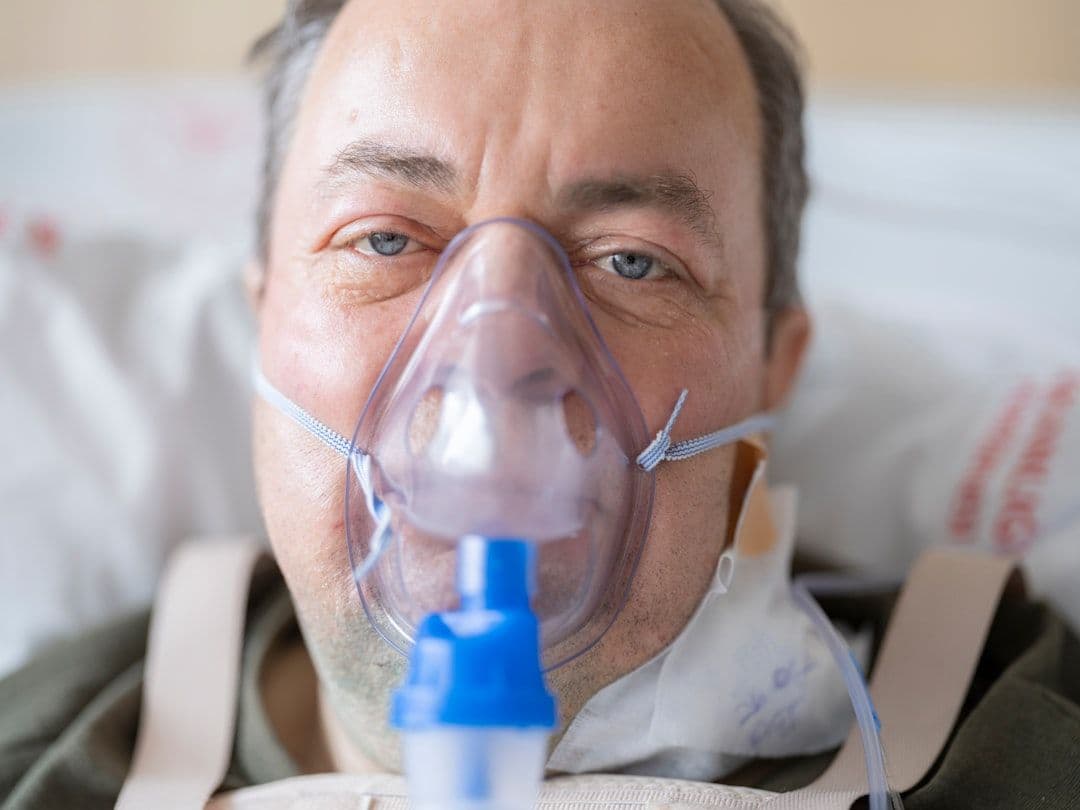
Oxygen therapy occupies a unique position within the broader health and wellness landscape. Unlike many complementary and alternative modalities, oxygen therapy has substantial clinical validation and integration within conventional medicine for multiple serious conditions. The research landscape spans from well-established clinical trials with decades of evidence to emerging preliminary investigations exploring novel applications.
The clinical evidence base for oxygen therapy is substantial, particularly for respiratory and circulatory conditions. Major health organisations including the Global Initiative for Chronic Obstructive Lung Disease (GOLD), the American Academy of Sleep Medicine, and international dive medicine societies have established clinical guidelines based on rigorous evidence synthesis. These guidelines recommend oxygen therapy as a standard therapeutic intervention rather than an alternative approach.
Research methodologies used to evaluate oxygen therapy include randomised controlled trials (RCTs), longitudinal cohort studies, systematic reviews, and meta-analyses. For conditions like COPD, long-term oxygen therapy (LTOT) has been studied in large, multi-centre trials examining mortality, hospitalisation, and quality of life outcomes. For acute cluster headaches, high-flow oxygen administration has been evaluated in controlled settings with consistent protocols and objective outcome measures.
The landscape differs considerably when examining newer applications such as chronic fatigue syndrome. Here, evidence is more limited and preliminary, with smaller studies exploring theoretical mechanisms rather than definitive efficacy. This distinction is important for seekers to understand: strong evidence does not mean every claimed benefit has equal validation.
Where Evidence Is Strongest
Oxygen therapy demonstrates strong evidence across five major clinical conditions, each representing a different mechanism of action and delivery method.
For chronic obstructive pulmonary disease (COPD), long-term oxygen therapy is one of the few modalities that has been shown to extend survival in patients with persistent hypoxaemia. Three landmark trials from the 1980s (the Nocturnal Oxygen Therapy Trial and the Long-Term Oxygen Treatment Trial) established that maintaining oxygen saturation above 88% reduces mortality and hospitalisation rates. Current guidelines recommend oxygen therapy for patients with resting oxygen saturation below 88% or partial pressure of arterial oxygen below 55 mmHg. The evidence base includes thousands of patients followed over decades.
For cluster headache, high-flow oxygen inhalation has earned first-line status in acute attack management. Multiple systematic reviews demonstrate that inhalation of 7–10 litres per minute of oxygen for 10–15 minutes aborts approximately 70–80% of acute attacks. The rapid onset of action, high response rate, and lack of systemic side effects make it compelling evidence. International headache classification systems and neurology societies officially recommend this approach.
Obstructive sleep apnoea research shows that supplemental oxygen, particularly when combined with continuous positive airway pressure (CPAP), prevents nocturnal hypoxia and reduces cardiovascular complications. Evidence comes from sleep medicine registries and clinical trials examining long-term outcomes.
Decompression sickness ("the bends") represents perhaps the strongest evidence category. Hyperbaric oxygen is the only established definitive treatment for nitrogen bubble formation in divers and aviators. Recovery rates and neurological preservation are well-documented, and the pathophysiological mechanism is well-understood.
Diabetic foot ulcers treated with hyperbaric oxygen therapy show improved healing rates and reduced amputation risk in meta-analyses and RCTs. The mechanism involves promoting new blood vessel formation and increasing oxygen diffusion into hypoxic tissue.
Emerging Areas of Study
Chronic fatigue syndrome (CFS) represents the primary emerging application of oxygen therapy. The theoretical rationale is based on observations that some individuals with CFS may have subtle mitochondrial dysfunction or cellular hypoxia contributing to persistent fatigue. The hypothesis suggests that increasing oxygen availability might restore energy production and reduce symptoms including fatigue, cognitive impairment, and post-exertional malaise.
Current research in this area is limited. A few small observational studies and case reports describe symptom improvement in CFS patients using oxygen therapy, but rigorous randomised controlled trials are lacking. The evidence level is classified as "emerging" because preliminary signals suggest potential benefit, yet the quality and quantity of evidence remain insufficient to establish clear clinical recommendations.
Challenges in researching oxygen therapy for CFS include difficulty standardising treatment protocols (optimal oxygen concentration, duration, and frequency remain unclear), heterogeneity within the CFS population (different patients may have different underlying mechanisms), and the subjective nature of outcome measures like fatigue and cognitive function. Additionally, placebo response rates in CFS are notoriously high, making it essential to distinguish genuine treatment effects from expectation-based improvement.
Other emerging areas include exploring oxygen therapy for select patients with long COVID experiencing persistent fatigue and dysfunctional breathing patterns, though evidence at this stage is anecdotal. Researchers are also investigating whether hyperoxic training protocols might benefit athletes, though this ventures into performance enhancement rather than therapeutic application.
For seekers interested in emerging applications, it is important to maintain realistic expectations and seek guidance from qualified practitioners who can honestly discuss the current evidence gaps and the possibility that treatment may not deliver expected results.
Limitations and Gaps in the Research
Despite strong evidence in several conditions, significant research gaps and limitations persist.
First, mechanistic understanding remains incomplete in several areas. While we know high-flow oxygen aborts cluster headaches with high efficacy, the precise neurobiological mechanism is not fully elucidated. Similarly, while hyperbaric oxygen accelerates wound healing, the relative contributions of increased oxygen tension, angiogenic signalling, and other factors are still being clarified.
Second, long-term safety data are limited for some applications. Most oxygen therapy research focuses on efficacy and short-to-medium term outcomes. Long-term safety profiles for chronic supplemental oxygen use, particularly at higher concentrations or for extended durations, require continued monitoring. Pulmonary fibrosis risk with very long-term oxygen exposure remains an active research question.
Third, the evidence for chronic fatigue syndrome is sparse compared to other indications. No large, high-quality randomised controlled trials have definitively established oxygen therapy as an effective treatment. Studies are typically small (fewer than 100 participants), lack adequate control groups, and sometimes rely on subjective outcome measures vulnerable to bias. This represents a genuine research gap; more rigorous investigation is needed.
Fourth, optimal dosing and delivery protocols for emerging applications remain undefined. For chronic fatigue syndrome specifically, there is no established consensus on oxygen concentration, treatment duration, frequency, or patient selection criteria. Research would benefit from standardised protocols enabling comparison across studies.
Fifth, cost and accessibility remain barriers to research and clinical implementation. Hyperbaric oxygen therapy requires specialised facilities and trained personnel, limiting availability in resource-limited settings. This gap is particularly relevant for diabetic foot ulcer research in lower-income countries where the condition is prevalent.
Finally, research in oxygen therapy sometimes reflects publication bias; positive outcomes may be more likely to be reported than negative or null findings, potentially overestimating efficacy in the literature.
What This Means for You
For individuals considering oxygen therapy, understanding the evidence landscape is essential for making informed decisions aligned with your health values and circumstances.
If you have been diagnosed with COPD, cluster headaches, obstructive sleep apnoea, or diabetic foot ulcers, oxygen therapy is supported by strong clinical evidence and endorsed by major medical organisations. In these cases, you should discuss oxygen therapy with your healthcare provider as a conventional treatment option, not an alternative. The evidence is robust enough that oxygen therapy is considered standard medical care. Your doctor can assess whether you meet clinical criteria, which delivery method suits your situation, and what outcomes to expect.
If you are interested in oxygen therapy for chronic fatigue syndrome or other emerging applications, honesty about evidence limitations is crucial. Preliminary evidence suggests potential benefit for some individuals, but efficacy is not established. If you pursue this approach, work with a practitioner qualified to supervise oxygen therapy safely. Discuss realistic expectations, the possibility that treatment may not help, and what monitoring or outcome measures would indicate whether therapy is beneficial for you personally. Some individuals report improvement; others do not. There is no reliable way to predict individual response before beginning treatment.
Regardless of condition or application, oxygen therapy should only be initiated under medical supervision. This is not a self-administered treatment modality for conditions like COPD or sleep apnoea. Even for emerging applications, qualified healthcare professionals trained in oxygen therapy administration should oversee treatment. This ensures proper dosing, monitoring for adverse effects, and adjustment of therapy based on your response.
Consider oxygen therapy within a holistic health context. For most conditions, it works best integrated with other evidence-based approaches. For COPD, oxygen therapy complements pulmonary rehabilitation, smoking cessation, and medication. For cluster headaches, it pairs with preventive medications and lifestyle management. For chronic fatigue, it would ideally be combined with pacing strategies, graded exercise programmes adapted to your tolerance level, and management of sleep dysfunction.
Finally, recognise that evidence evolves. Current understanding of oxygen therapy reflects research completed to date. As new trials are published and emerging applications are studied more rigorously, recommendations may shift. Stay informed through reputable health resources and maintain open conversations with your healthcare providers about your treatment options and evolving evidence.