Before the Session: What to Expect
The anticipation before a yoga session often carries a mix of curiosity and mild uncertainty, especially if it is your first time. You might wonder whether your body is flexible enough, whether you will keep up with the group, or simply what the experience will feel like. These questions are entirely normal. Most people arrive with some tension held in their shoulders or jaw—a reflection of daily stress or the newness of the experience itself. You may notice your breath is a little shallow, your mind scattered between the day behind you and what lies ahead. This is precisely the state yoga invites you to notice and gently shift. There is no expectation of perfection before you step into the studio. Your body, exactly as it is right now, is welcome.
Arriving and Setting the Scene
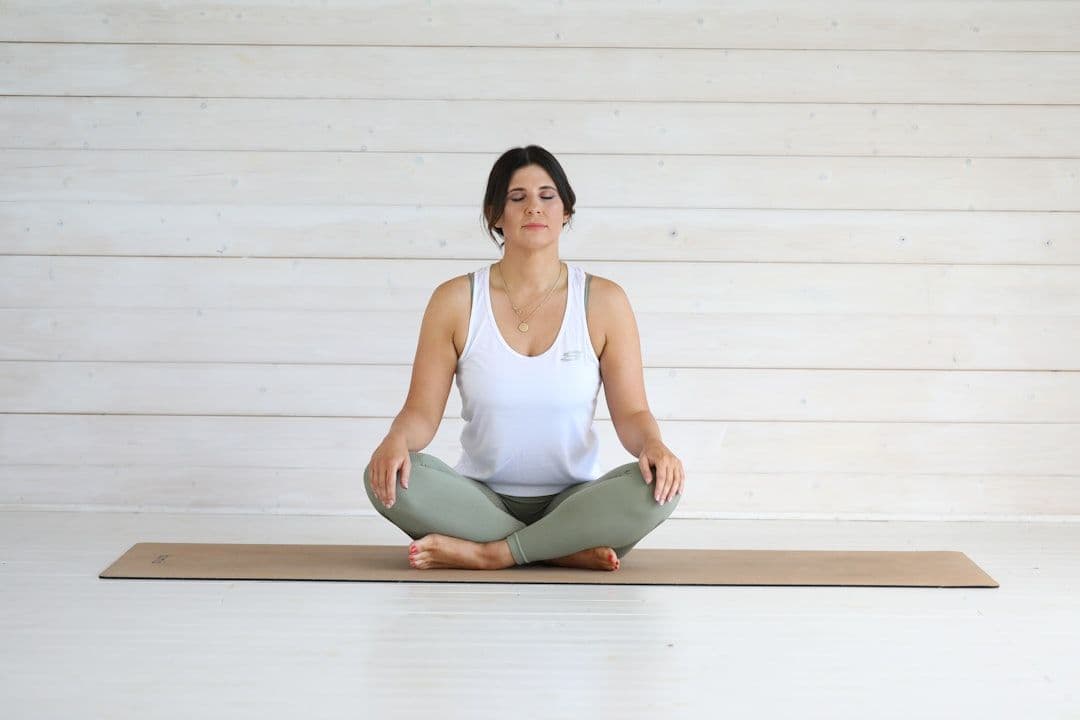
Walking into a yoga studio often feels like entering a sanctuary. The air may be warm and slightly fragrant with incense or essential oils. The lighting is typically soft and calming, perhaps with natural light filtering through curtains or the gentle glow of candles. You remove your shoes—a symbolic shedding of the outside world. The studio floor is lined with mats, and you choose one, positioning yourself in a space that feels comfortable and private enough. Taking off your watch or setting aside your phone helps signal to your nervous system that time moves differently here. You settle onto your mat, sitting cross-legged or in any comfortable position. There is a quiet rustling as others arrive, a few whispered greetings, a sense of shared intention. The instructor might offer a brief welcome or begin with a few moments of silence. Already, before any movement, something has shifted. Your nervous system begins to recognize this as a safe, contained space.
During the Session
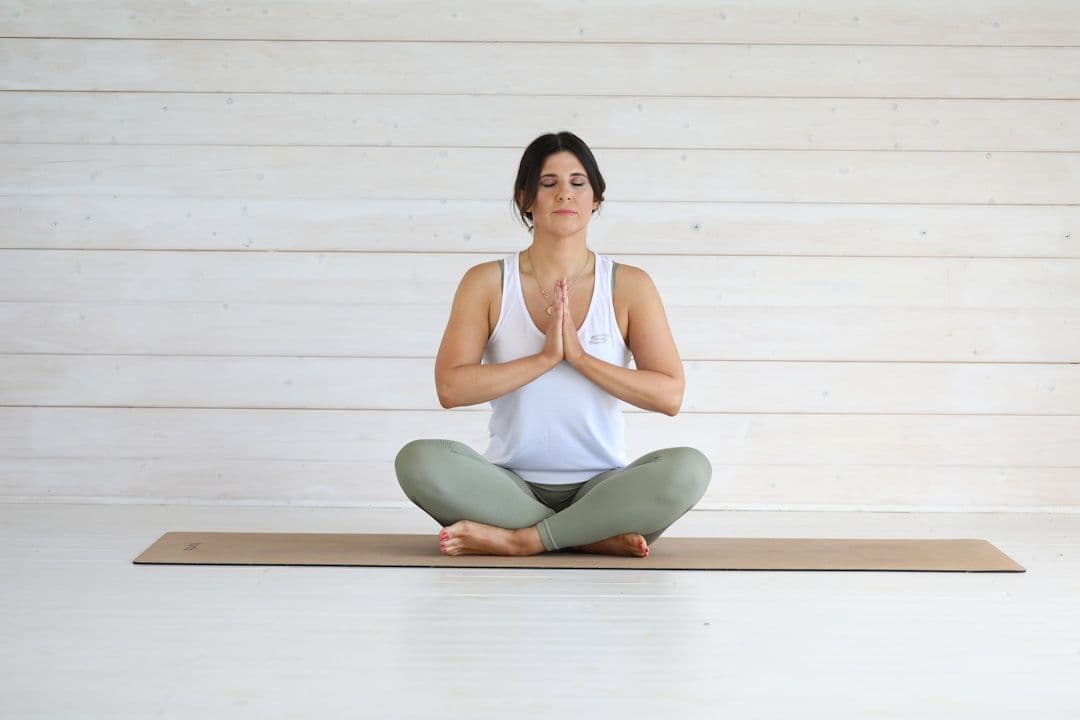
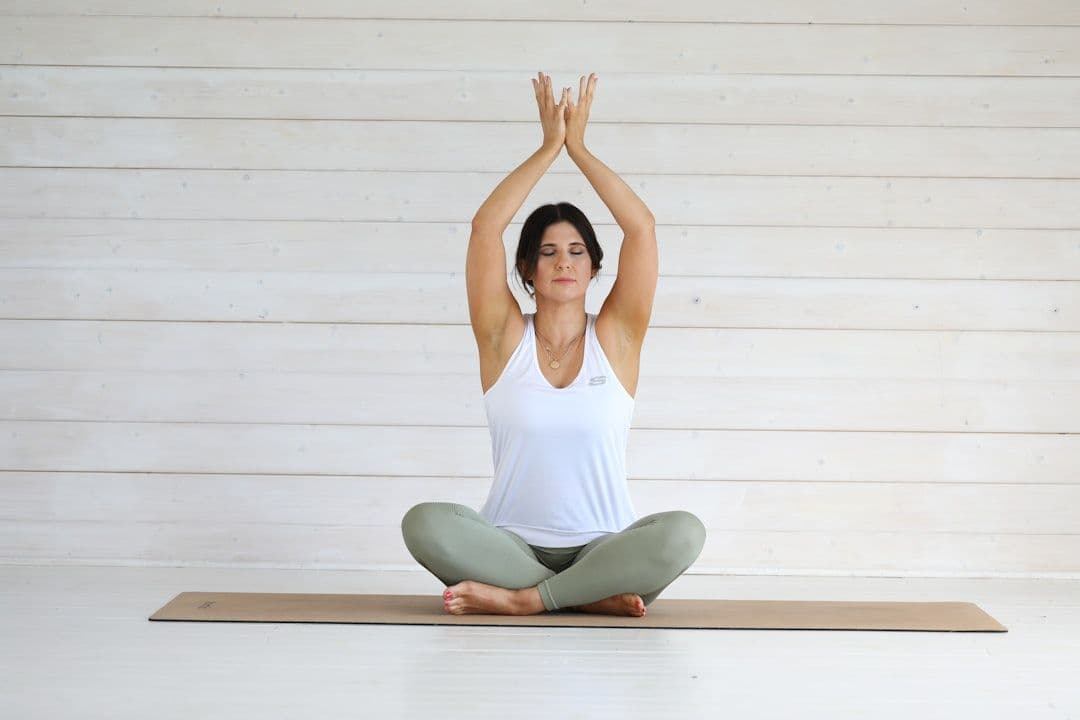
The session typically begins with breath awareness and centering. You are invited to notice the natural flow of your breath without changing it, simply observing. This simple act of attention begins to settle the mind. The instructor guides you through a warm-up, perhaps gentle neck rolls, shoulder shrugs, or cat-cow movements that awaken the spine. Your body begins to feel less heavy, more present. As you move into standing postures—mountain pose, warrior sequences, triangle pose—something remarkable happens. The instructions to press your feet down, lengthen your spine, and reach your arms upward give your mind something concrete to focus on. The chatter quiets. You are fully present in this moment, in this body. There is a natural rhythm to the session: effort balanced with ease, movement flowing into stillness. You may feel your heart rate increase slightly during more dynamic sequences, then gradually settle as you move into deeper stretches and hip openers. Some poses feel accessible; others reveal places in your body that are tight or restricted. There is no judgment here—only curiosity and gentle persistence. Towards the end of the session, you move into longer-held poses, perhaps reclining twist or child's pose, where the intensity shifts entirely. The focus becomes internal. Your breath slows. Your body becomes heavier as tension begins to release. The final minutes are typically spent in savasana—lying on your back in complete stillness, covered lightly with a blanket if offered. This is profound. Your nervous system has been signalling safety throughout the session, and now, in this moment of absolute rest, your body fully receives that message. There is nothing to do, nowhere to go. For perhaps five to ten minutes, you simply are.
How You May Feel Afterwards
As the session closes and you return to sitting, there is often a softness in your expression, a calmness in your body. You may feel deeply relaxed, as though you have stepped outside of time. Some people describe a lightness, as though the physical practice has released stored tension they did not realize they were carrying. Others feel energized, a gentle vitality moving through their limbs. The mental state is often similarly shifted—clearer, less cluttered, more spacious. Thoughts that seemed pressing an hour ago have softened in importance. You may feel more emotionally balanced, less reactive. This state often persists for hours after class. You might notice that your sleep is deeper that night, or that you move through the next day with greater ease and presence. Over weeks and months of regular practice, these momentary glimpses of calm become more accessible. Sleep may improve. Anxiety may feel more manageable. Chronic tension in the back, shoulders, or hips gradually eases as strength and flexibility develop. The benefits extend beyond the physical. Many practitioners find that the nervous system regulation cultivated on the mat carries into daily life—you respond to stress with more awareness, breathe more consciously during difficult moments, and access a sense of grounding that was perhaps harder to find before.
Is It Right for You?
Yoga is a deeply personal practice, and what resonates for one person may not for another. If you are drawn to a practice that combines movement, breath work, and mental calm, yoga may offer real value. It is particularly supportive if you experience stress, anxiety, sleep difficulties, or chronic muscle tension. If you have a medical condition such as hypertension, depression, or chronic pain, yoga may complement your existing treatment beautifully—but always consult your healthcare provider first to ensure it is safe for your specific situation and to discuss how it fits with your care plan. Never discontinue prescribed medication or medical advice based on yoga practice alone. It is also worth considering which style of yoga might suit you. A gentle, restorative class offers different benefits than a dynamic, flowing practice. Experimenting with different instructors and studios helps you find an environment where you feel comfortable and supported. Be patient with your first few sessions. The benefits of yoga deepen with consistency rather than intensity. Even if the first session feels awkward or your mind feels busier than usual, returning once or twice more allows your body and mind to settle into the experience. Yoga invites you to meet yourself with curiosity and compassion—not as you think you should be, but exactly as you are. That willingness is all you need to begin.