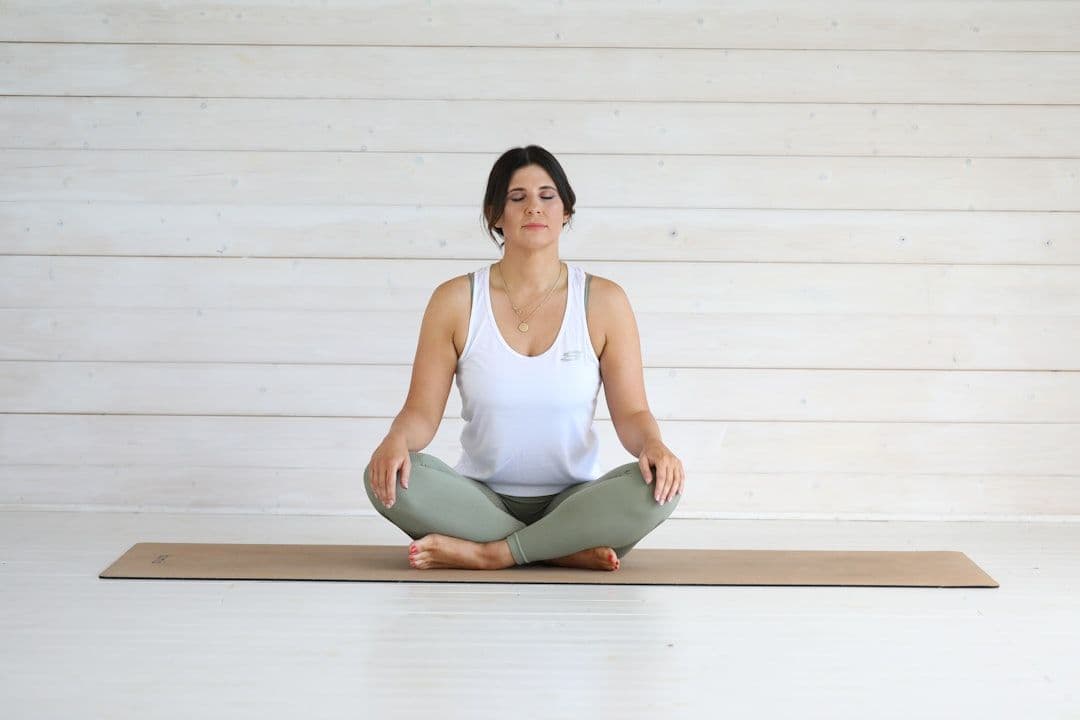
Why Practitioners Choose This Modality
As a practitioner of yoga, I have seen firsthand the positive impact that this modality can have on both physical and mental health. Yoga is a holistic practice that combines physical postures, breathing techniques, and meditation to promote overall well-being and balance. By incorporating yoga into their practice, practitioners can help clients reduce stress and anxiety, improve sleep quality, and increase flexibility and balance. Many practitioners choose yoga because of its ability to address a wide range of health concerns, from chronic pain and inflammation to anxiety and depression. Additionally, yoga is a low-cost and accessible modality that can be practiced in a variety of settings, making it an attractive option for clients who may not have access to other forms of therapy.
What Clients Typically Experience
Clients who practice yoga typically experience a range of benefits, from reduced stress and anxiety to improved sleep quality and increased flexibility and balance. Many clients report feeling more relaxed and calm after a yoga practice, and some even experience a sense of euphoria or well-being. As clients continue to practice yoga, they may also notice improvements in their physical health, such as reduced chronic pain and inflammation, and improved overall physical function. Additionally, yoga can help clients develop greater body awareness and self-awareness, which can lead to improved mental and emotional well-being. Some clients may also experience a sense of community and connection with others who practice yoga, which can be an added benefit of this modality.
Common Misconceptions
One common misconception about yoga is that it is only for flexible or athletic individuals. However, yoga is a practice that can be modified to suit any age, ability, or fitness level. Another misconception is that yoga is a religious practice, when in fact it is a secular practice that can be enjoyed by people of all faiths and backgrounds. Some people may also believe that yoga is only for relaxation and stress relief, when in fact it can also be a challenging and physically demanding practice. It is also important to note that yoga is not a replacement for medical treatment, but rather a complementary therapy that can be used in conjunction with other forms of treatment. By understanding these common misconceptions, clients can approach yoga with a more open and informed mindset, and get the most out of their practice.
Advice for First-Timers
For individuals who are new to yoga, it can be intimidating to know where to start. My advice would be to start with gentle classes and gradually increase the intensity and difficulty as you become more comfortable with the practice. It is also important to listen to your body and modify or avoid poses that cause discomfort or pain. Finding a qualified instructor or class that suits your needs and abilities is also crucial, as they can provide guidance and support as you begin your yoga journey. Additionally, it is essential to approach yoga with an open and non-judgmental mindset, and to focus on the process rather than the end result. By doing so, you can get the most out of your practice and enjoy the many benefits that yoga has to offer.
When to Seek Additional Support
While yoga can be a powerful tool for promoting physical and mental health, it is not a replacement for medical treatment. If you are experiencing chronic pain, inflammation, or other health concerns, it is essential to consult with a qualified healthcare provider before starting a yoga practice. Additionally, if you are experiencing severe symptoms of anxiety or depression, or if you are struggling with addiction or other mental health concerns, it is crucial to seek support from a qualified mental health professional. Yoga can be a valuable complementary therapy, but it should not be used as a substitute for medical treatment. By seeking additional support when needed, you can get the most out of your yoga practice and enjoy optimal physical and mental health.