What Is Yoga?
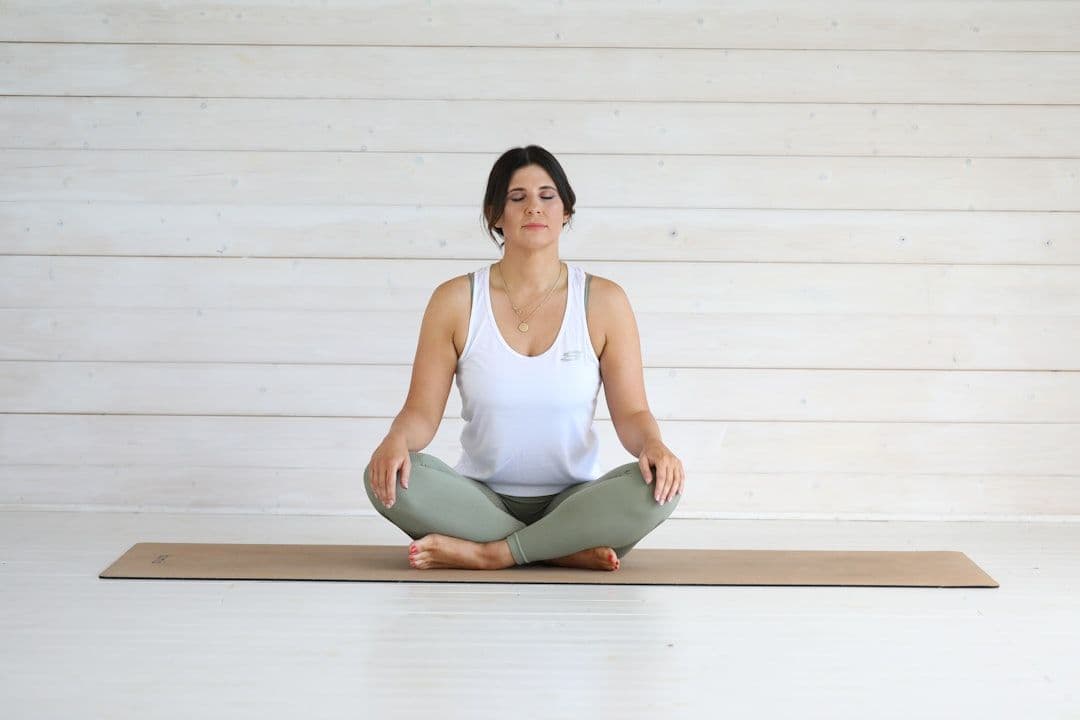
Yoga is a holistic practice that combines physical postures, breathing techniques, and meditation to promote physical, mental, and emotional well-being. It originated in India over 5,000 years ago and has since evolved into various styles and forms, including Hatha, Vinyasa, Ashtanga, and Restorative yoga. The practice of yoga aims to unite the body, mind, and spirit, and to promote a sense of balance, harmony, and inner peace. Yoga is not just a physical practice, but a way of life that can help individuals cultivate self-awareness, self-acceptance, and self-love
How Does It Work?
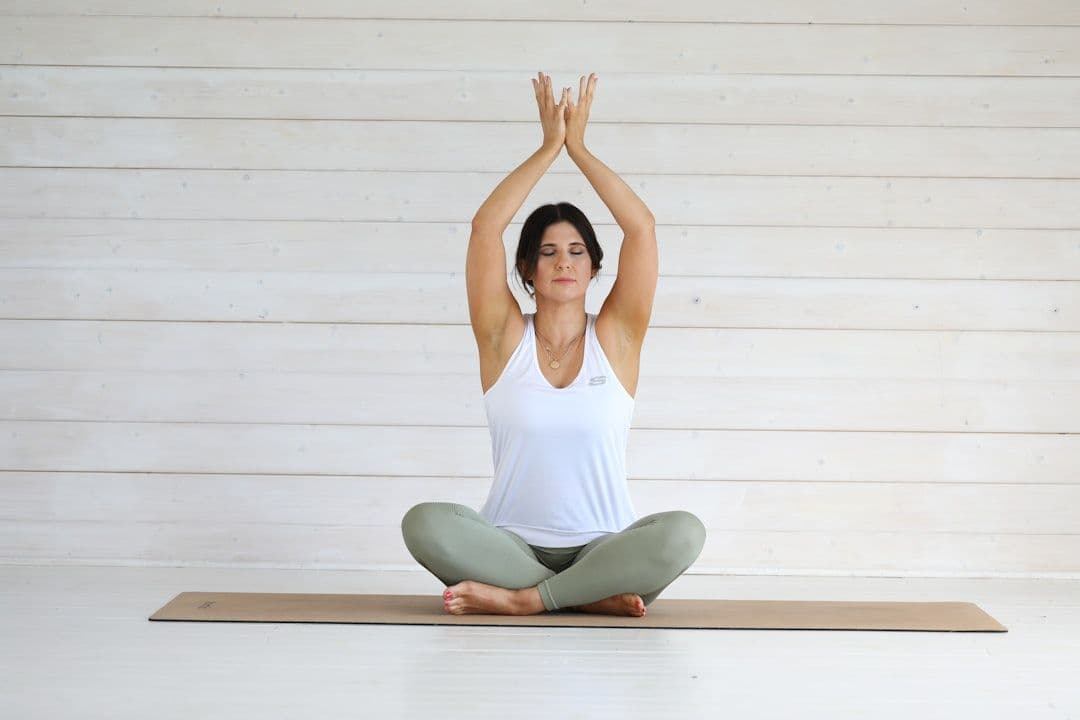
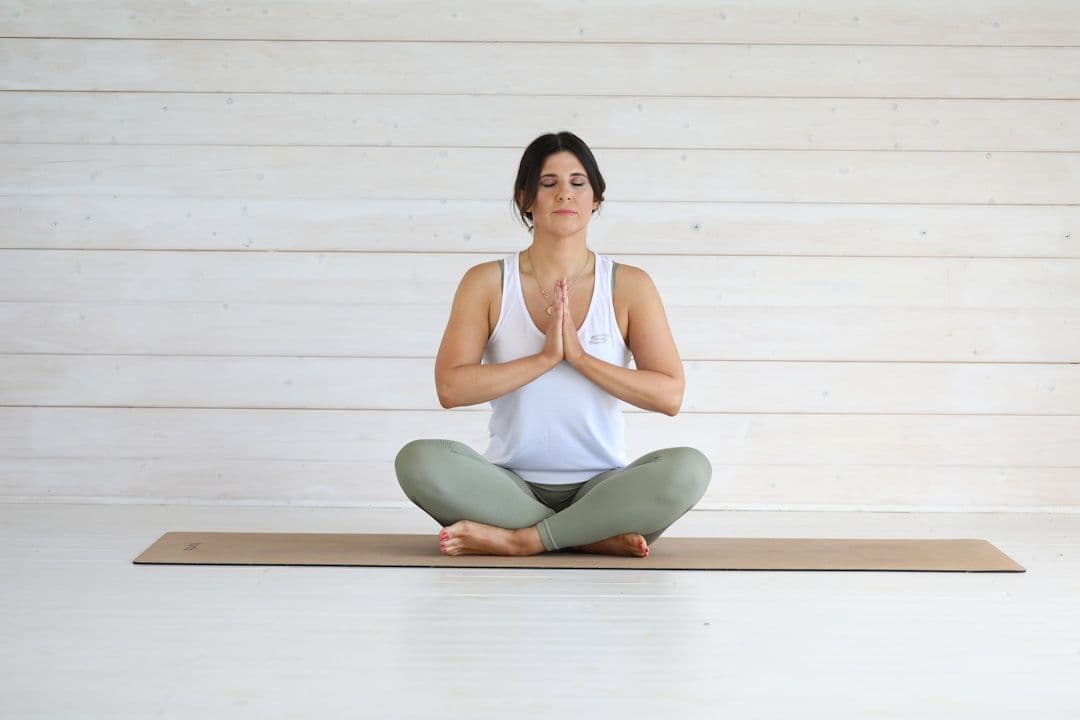
Yoga works by combining physical postures, breathing techniques, and meditation to promote relaxation, reduce stress, and improve overall well-being. The physical postures, or asanas, help to stretch and strengthen the muscles, improve flexibility and balance, and enhance circulation and digestion. The breathing techniques, or pranayama, help to calm the mind, reduce stress and anxiety, and promote relaxation and focus. The meditation and relaxation techniques help to quiet the mind, promote inner peace, and enhance self-awareness and self-acceptance. Regular yoga practice can help to reduce symptoms of anxiety and depression, improve sleep quality, and enhance overall physical and mental health
What Does a Session Involve?
A typical yoga session involves a combination of physical postures, breathing techniques, and meditation. The session may begin with a brief introduction and warm-up, followed by a series of physical postures, or asanas, that are designed to stretch and strengthen the muscles, improve flexibility and balance, and enhance circulation and digestion. The session may also include breathing techniques, or pranayama, that are designed to calm the mind, reduce stress and anxiety, and promote relaxation and focus. The session may conclude with a period of meditation and relaxation, which can help to quiet the mind, promote inner peace, and enhance self-awareness and self-acceptance. The specific content and structure of the session may vary depending on the style of yoga and the level of the student
Who May Benefit?
Yoga may be beneficial for individuals of all ages and abilities, including those who are looking to improve their physical health, reduce stress and anxiety, and enhance their overall well-being. Yoga may be particularly beneficial for individuals who are experiencing symptoms of anxiety and depression, insomnia, chronic pain, or other health conditions. Yoga may also be beneficial for individuals who are looking to improve their flexibility, balance, and strength, or who are seeking to enhance their self-awareness and self-acceptance. It is essential to consult with a qualified healthcare professional before starting a yoga practice, especially if you have any underlying health conditions
What Does the Evidence Say?
There is strong evidence to support the use of yoga for a range of health conditions, including mild depressive episodes, insomnia, generalized anxiety disorder, and chronic lower back pain. Yoga has been shown to reduce symptoms, improve sleep quality, and enhance overall well-being. The evidence suggests that yoga can be a useful adjunct to conventional medical treatment, and may be particularly beneficial for individuals who are experiencing symptoms of anxiety and depression. However, it is essential to consult with a qualified healthcare professional before starting a yoga practice, especially if you have any underlying health conditions
Safety and Considerations
While yoga is generally considered to be a safe and beneficial practice, there are some safety considerations to be aware of. It is essential to listen to your body and modify or rest when needed to avoid injury. It is also essential to consult with a qualified healthcare professional before starting a yoga practice, especially if you have any underlying health conditions. Some individuals may need to avoid certain postures or practices, such as inversions or deep twists, due to health conditions or injuries. It is also essential to practice yoga with a qualified and experienced teacher who can provide guidance and support
How to Find a Qualified Practitioner
To find a qualified yoga practitioner, it is essential to do your research and ask the right questions. Look for a teacher who is experienced, qualified, and insured, and who has a good reputation in the community. Consider the style of yoga and the level of the teacher, and whether they have experience working with students with similar needs and abilities. It is also essential to observe a class or workshop, or to talk to other students, to get a sense of the teacher's style and approach. Finally, trust your instincts and choose a teacher who makes you feel comfortable, supported, and inspired